

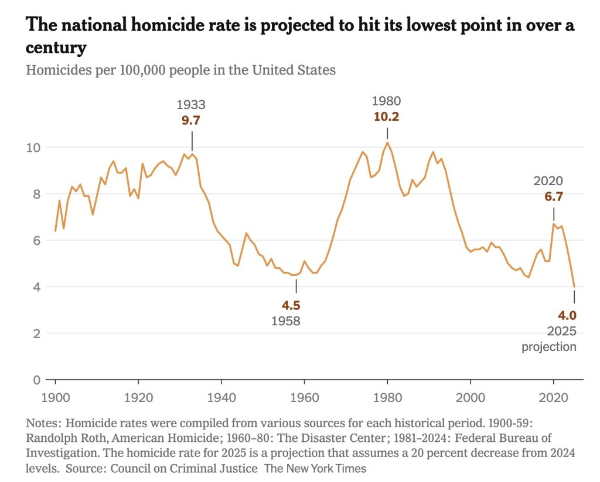
The gun control lobby’s latest round of apocalyptic forecasts after the Wolford decision follows a script that’s been running for decades, yet somehow never seems to lose its funding. Every time a court recognizes that the Second Amendment means what it says, the same organizations dust off the same press releases predicting blood in the streets, only to watch crime trends continue their long-term decline in jurisdictions that have expanded carry rights. What’s new this time isn’t the rhetoric—it’s the growing gap between those predictions and the data coming out of states that adopted constitutional carry years ago, where permitless carry has coincided with falling homicide rates rather than the promised surge.
For the 2A community, the real takeaway isn’t just another court win; it’s the reminder that the institutional gun-control apparatus treats every expansion of rights as an existential threat precisely because its business model depends on perpetual crisis. When groups that once warned against shall-issue permitting now treat even that as radical, they reveal how far the Overton window has shifted thanks to sustained litigation and state-level legislation. The practical effect is that law-abiding carriers in more places can now exercise their rights without navigating a permission slip regime that was always more about control than safety.
Looking ahead, the pattern suggests these dire forecasts will again fail to materialize, further eroding whatever credibility remains for the “more guns, more crime” narrative in serious policy circles. That erosion matters because it weakens the political case for fresh restrictions at the federal level and strengthens the hand of attorneys bringing follow-on challenges to discretionary permitting schemes still on the books in a handful of states. In short, the sky-is-falling routine isn’t just tired—it’s becoming a liability for the very movement that keeps repeating it.


