

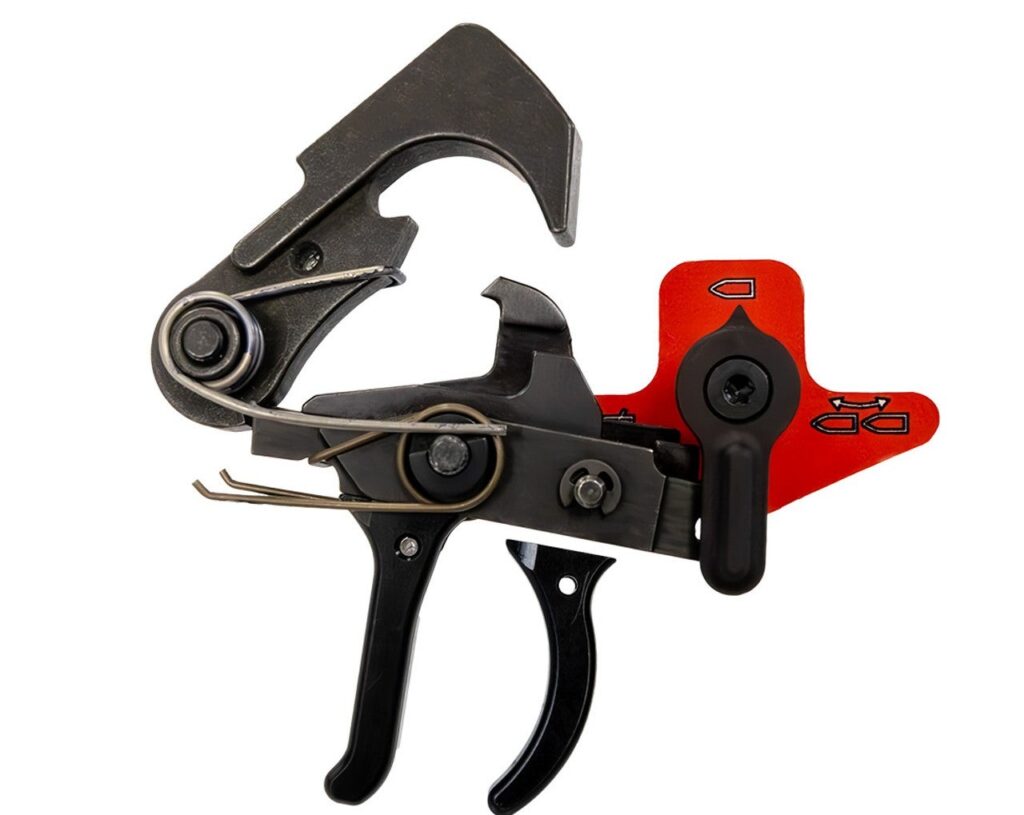
Minnesota’s appeals court just handed the state’s gun owners a crisp reminder that binary triggers aren’t “machine guns in disguise,” they’re simply faster fingers on legal semi-autos. By striking down the ban, the court rejected the legislature’s attempt to criminalize a device that still requires a deliberate pull and release for every shot—an important distinction that keeps the state from redefining how quickly a law-abiding citizen may operate an otherwise lawful firearm. The ruling also underscores a growing judicial skepticism toward creative re-labeling of accessories; once courts start looking past marketing hype and into actual mechanics, these end-runs around Heller and Bruen tend to collapse.
For the broader 2A community the decision is both validation and warning. Validation, because it shows that persistent litigation can roll back even well-funded state-level restrictions when the facts are on your side. Warning, because Minnesota’s attorney general is already signaling an appeal, proving that anti-gun officials view every loss as a temporary setback rather than a constitutional reckoning. Expect copy-cat bills in other blue states and a fresh round of lawfare aimed at forcing manufacturers and owners to spend money defending what the Constitution already protects.
The practical takeaway is simple: binary triggers remain on the table in Minnesota, and the precedent makes similar bans elsewhere more vulnerable. That keeps more options open for competition shooters, home defenders, and anyone who values split-second follow-up shots without crossing into the NFA’s regulatory swamp. In a political climate where rights are often won inch by inch in courtrooms rather than legislatures, this ruling is another small but tangible step toward restoring the full scope of the Second Amendment.


