

The Biden-Harris border numbers are no longer abstract statistics—they’re a live-action demonstration of why the Second Amendment exists. When a former San Diego Sector chief is ordered to stay silent about Special Interest Aliens and terror-watchlist encounters, the message to law-abiding Americans is unmistakable: the federal government that can’t (or won’t) secure the perimeter is the same one that lectures citizens about “assault weapons” and magazine limits. The 382 known watch-list hits since FY2021—versus just 11 in the prior four years—aren’t anomalies; they’re the predictable result of policies that treat enforcement as optional and transparency as a threat. For the 2A community, the lesson is simple: every mile of unsecured frontier is another argument for keeping and bearing arms, because the people tasked with protecting the interior have decided the exterior is someone else’s problem.
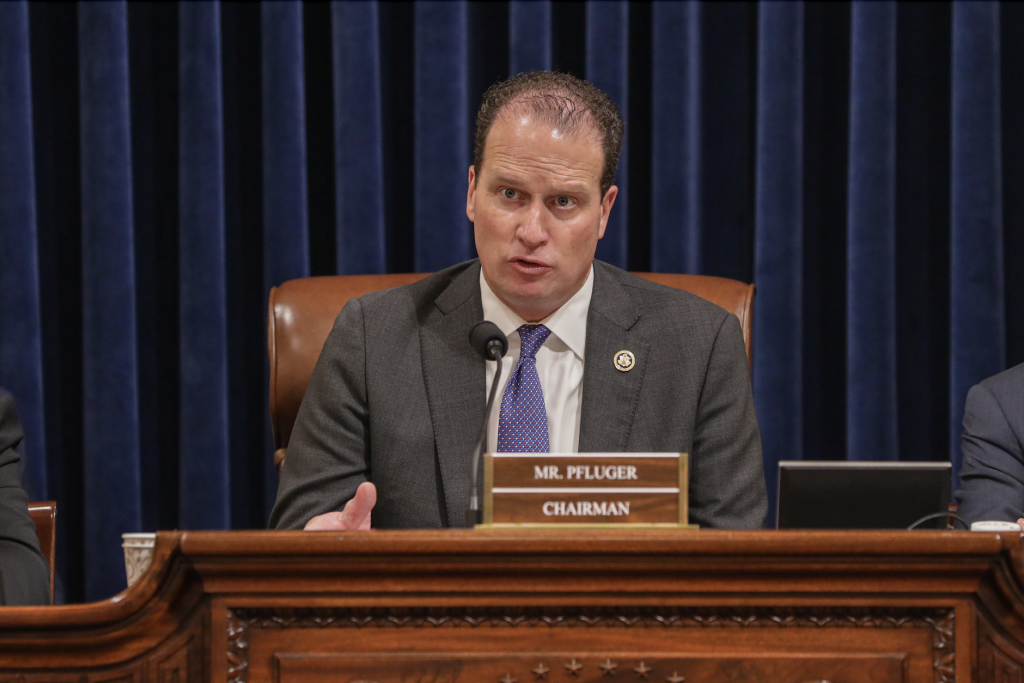
That same administration now refuses to send DHS witnesses to a congressional hearing on the very threat its policies created. The optics are almost comical—until you remember that the same officials who dodge questions about ISIS-linked smuggling networks are the ones who want to know how many rounds you have in your magazine. Director Wray’s admission of “enormous effort” tracking facilitators with terror ties only underscores the gap between federal rhetoric and federal competence. If the people charged with screening millions of got-aways can’t—or won’t—tell Congress how many jihadists slipped through, the notion that they can micromanage the lawful self-defense choices of 100 million gun owners collapses under its own weight.
The practical takeaway for gun owners is that border failure is now a domestic-security variable. States that still treat the Second Amendment as a first-resort right are effectively hedging against a federal apparatus that has lost control of its own perimeter. Whether the next “gotaway” is a cartel scout or an ISIS courier, the response time for any law-enforcement cavalry is measured in minutes or hours, not seconds. In that gap, the right to keep and bear arms isn’t a talking point—it’s the only insurance policy that doesn’t require congressional testimony or DHS sign-off.


