

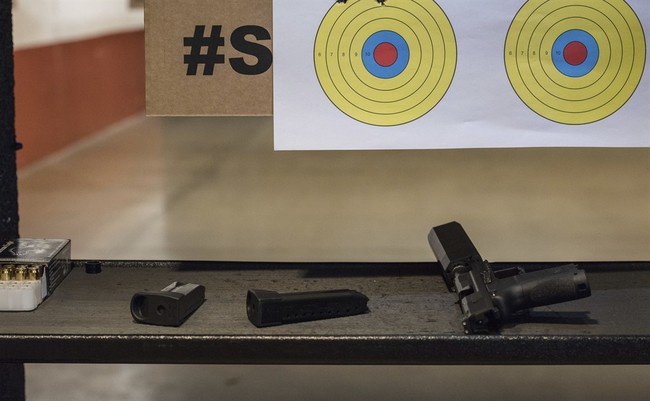
The ATF’s renewed push to collect fingerprints and photographs for every NFA transfer isn’t just bureaucratic housekeeping—it’s another data point in a long-running effort to build a de-facto national registry of lawfully owned Title II firearms. While the agency claims the requirement simply modernizes an antiquated paper process, the practical effect is that every suppressor, SBR, and machine gun now carries a biometric tag that can be cross-referenced with existing state and federal databases. For the 2A community this raises the obvious question: once the government has your prints on file for a suppressor, how hard is it to expand that same requirement to every semiautomatic rifle or pistol under the next “public-safety” rule?
What makes the move especially galling is its timing. The same administration that lectures the public about “common-sense” gun laws is simultaneously dragging its feet on actual fixes—such as restoring due-process protections for veterans flagged by the VA or clearing the multi-year backlog that already turns a $200 tax stamp into an eighteen-month wait. Instead of streamlining, the agency is layering on costs and friction that disproportionately hit small manufacturers and individual hobbyists who can least afford another $150 in fingerprinting fees and travel time to an approved location. The result is a slow-motion chilling effect: fewer people bother with the NFA process at all, which in turn shrinks the pool of vocal, law-abiding owners who might otherwise push back against further restrictions.
Longer term, the fingerprints requirement feeds directly into the larger debate over whether the NFA itself remains constitutional under Bruen’s text-and-tradition test. If the Supreme Court eventually revisits the 1934 Act, the government’s own admission that it is now building a modern, digitized database of every approved item will become Exhibit A for plaintiffs arguing that the scheme has crossed from “tax” into “registration.” In the meantime, the 2A community should treat every new data demand as a reminder that rights not defended inch by inch are rights that quietly migrate from the Bill of Rights into the federal spreadsheet.


