

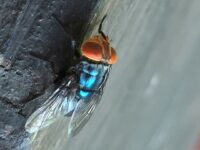
The screwworm’s sudden leap out of Texas isn’t just a livestock story—it’s a reminder that nature doesn’t respect borders or bureaucratic timelines, and the same principle applies to the tools we rely on for self-reliance. When a parasite that literally eats living flesh shows up hundreds of miles from its last known stronghold, the response window narrows fast; ranchers who can’t reach a vet or government trap in time are left to decide whether they’ll protect their herds with whatever means they have on hand. That decision-making space is exactly what the Second Amendment preserves: the right to keep and bear arms without waiting for distant authorities to declare an emergency or issue a permit.
For the 2A community, the screwworm flare-up underscores why rural Americans have long treated firearms as essential ranch equipment rather than sporting goods. Coyotes, feral hogs, and now potentially desperate predators drawn to weakened cattle all become immediate threats when an outbreak disrupts normal veterinary channels. A scoped rifle or sidearm kept within reach lets a landowner dispatch threats on the spot instead of filing reports while animals suffer. History shows that when government resources are stretched—whether by disease, weather, or simple distance—armed citizens fill the gap; the screwworm’s march simply adds another data point to that pattern.
The larger implication is that any policy narrowing access to firearms under the banner of “public safety” collides with the reality that safety on the range often depends on individuals who are already armed and trained. As the parasite spreads, expect calls for more regulation, more checkpoints, and more centralized control; each of those measures will be sold as protecting the herd while quietly eroding the very self-sufficiency that has kept rural communities intact for generations. The screwworm doesn’t care about paperwork, and neither should the right to defend life and property when the next biological or bureaucratic crisis arrives.


