

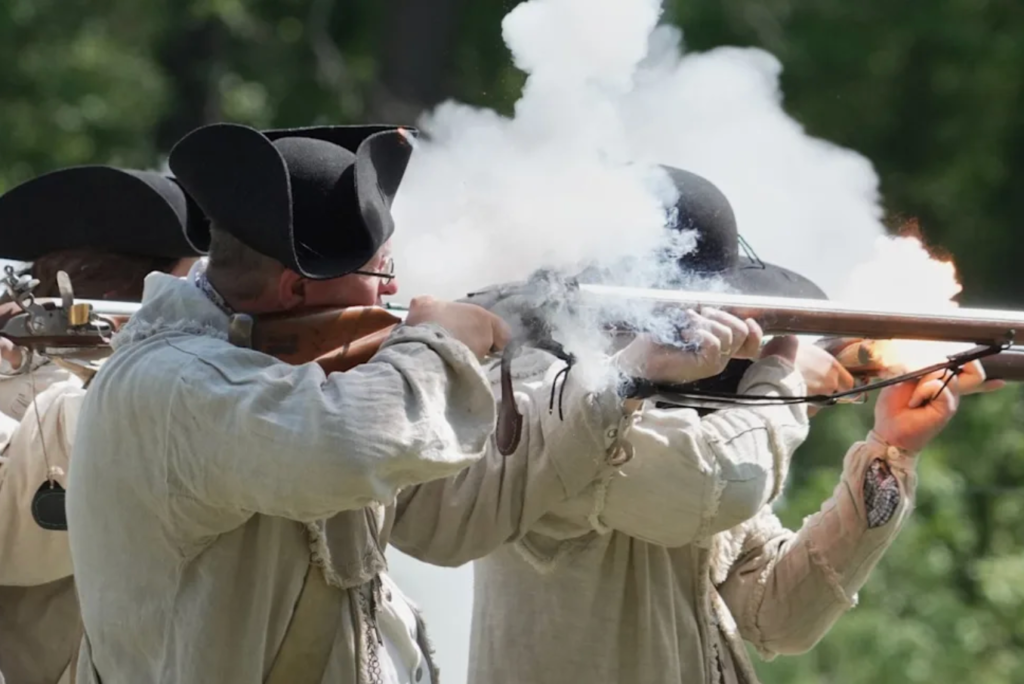
Gun-control advocates have spent decades shifting the goalposts on what the Second Amendment actually protects, and the latest push to regulate even muzzleloaders shows the strategy in its purest form. Twenty-five years ago the talking point was simple: the Founders only meant flintlocks, so modern firearms fell outside constitutional protection. That argument collapsed under its own historical illiteracy, so the same activists now claim that black-powder guns—devices that predate the Constitution—are suddenly too dangerous to remain unregulated. The move isn’t about public safety; it’s about maintaining momentum once the previous restriction has been normalized.
For the 2A community the lesson is straightforward: every concession becomes the baseline for the next demand. If today’s “reasonable” step is licensing or registration for replica flintlocks and inline muzzleloaders, tomorrow’s step will be background checks for percussion caps or serialization requirements for lead balls. The pattern reveals that the debate was never truly about “assault weapons” or “high-capacity magazines”; it is about whether the right to keep and bear arms exists at all once government decides a technology has become inconvenient. Historical firearms serve as living proof that the right is not tethered to any particular era’s hardware, which is precisely why activists now target them.
The practical implication is that pro-Second Amendment citizens cannot treat older or niche arms as someone else’s problem. When regulators come for flintlocks they are testing whether the public will accept that no firearm is ever truly off-limits. Defending the oldest technology is therefore the most direct way to protect the newest, because the principle at stake is identical: either the right belongs to the people or it belongs to whoever holds political power at the moment.


