

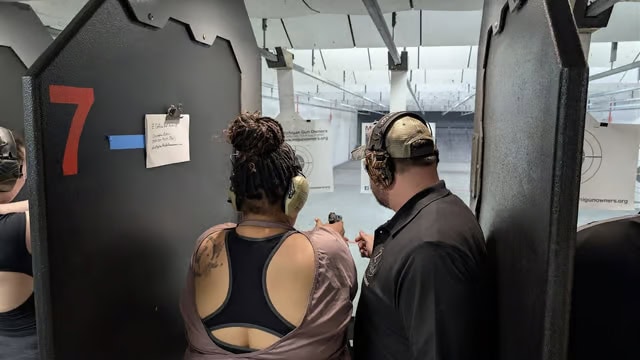
The numbers alone are staggering—2,454 women stepping onto the firing line in a single weekend, each receiving free, one-on-one coaching from certified volunteers before sending live rounds downrange. What makes the figure remarkable isn’t just its size; it’s the deliberate, scalable model behind it. Metro Detroit organizers turned a weekend into a force-multiplier event, pairing every newcomer with an experienced coach so that safety, fundamentals, and confidence were delivered at the individual level rather than through the usual cattle-call safety brief. The result is a proof-of-concept that large-scale, zero-cost entry events can convert curiosity into competence without diluting instruction quality.
For the broader Second Amendment community, the weekend serves as both validation and blueprint. Women now represent the fastest-growing demographic among new gun owners, yet many still cite intimidation or lack of training as barriers to entry. By removing cost and guaranteeing personal coaching, the Detroit program neutralized both objections at once. More importantly, the event created 2,454 immediate, positive data points—stories that will circulate in families, workplaces, and social feeds—expanding the cultural “permission structure” around female gun ownership far more effectively than any national ad campaign.
Strategically, the takeaway is clear: infrastructure beats messaging. When ranges, instructors, and local clubs coordinate to absorb hundreds of first-timers in a single surge, they don’t just sell a day at the range; they seed long-term participation. Expect other metro areas to replicate the template, because the optics are unbeatable—thousands of smiling, confident women leaving with brass in their pockets and a new skill set in their hands. That kind of visible, repeated success is how the right to keep and bear arms entrenches itself one new shooter at a time.


