

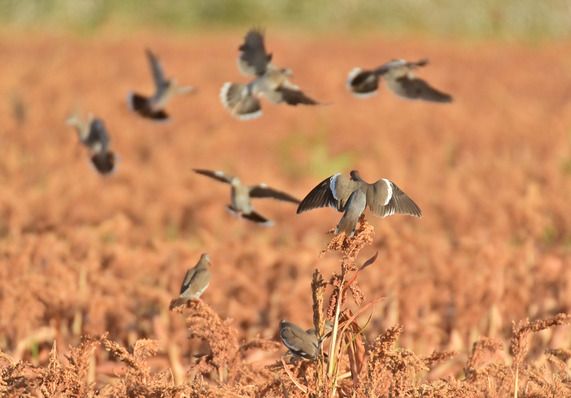
Arizona’s 2026-2027 dove and band-tailed pigeon rules are now live, and the timing couldn’t be more instructive for Second Amendment advocates. By posting the full framework months ahead of the season, the Arizona Game and Fish Department is demonstrating that regulated, law-abiding access to migratory birds remains a practical reality rather than a theoretical right. The modest $5 youth combination license is more than a pricing footnote; it’s a deliberate policy lever that lowers the barrier for the next generation of hunters, ensuring the cultural transmission of firearm proficiency and outdoor self-reliance that underpins support for the right to keep and bear arms.
For the broader 2A community, these early-published regulations serve as quiet but powerful evidence that administrative competence and constitutional carry can coexist. When a state invests in transparent, user-friendly licensing—rather than surprise rule changes or back-door restrictions—it reinforces the argument that responsible gun owners are not the problem but part of the solution. Hunters who secure both their hunting license and federal migratory-bird stamp are participating in a system that pairs individual liberty with conservation funding, a model that pro-Second Amendment voices can cite when debates turn to “commonsense” limits that often morph into de-facto bans.
Looking ahead, the real test will be whether Arizona’s example pressures neighboring states to match this level of clarity and affordability. If other wildlife agencies follow suit, the cumulative effect is a grassroots rebuttal to the narrative that gun ownership must be ever-more encumbered. In short, these dove rules are small-bore policy, but they carry a high-velocity message: when government keeps its processes straightforward and its fees reasonable, the right to hunt—and by extension the right to bear arms—remains vibrant rather than vestigial.


