

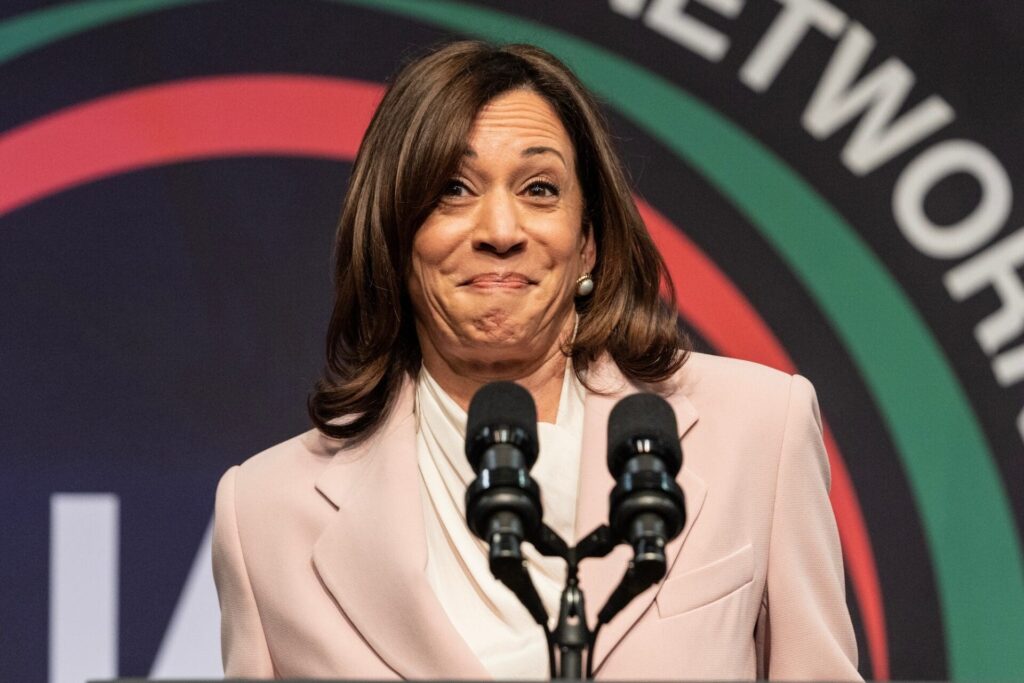
Kamala Harris’s early polling surge has the National Shooting Sports Foundation sounding the alarm, and for good reason: her record as California’s attorney general and as vice president is a case study in how quickly a national figure can turn a regulatory wish list into law. From championing California’s “assault weapon” ban and magazine restrictions to endorsing federal red-flag laws and universal background checks that would effectively create a national registry, Harris has consistently treated the Second Amendment as a privilege to be rationed rather than a right to be protected. Gun owners who remember the Obama-Biden years know the pattern—each incremental “common-sense” measure becomes the floor for the next round of restrictions—and her current rhetoric suggests she sees 2028 as the moment to finish what the Biden-Harris administration started.
What makes the NSSF’s reminder especially timely is the speed with which Harris has rebranded herself as a moderate while her policy fingerprints remain unmistakably anti-gun. The same candidate who once boasted of going door-to-door to seize firearms now claims she’ll “protect the Second Amendment,” yet her Senate voting record and public statements reveal no evolution, only better polling optics. For the firearms industry, that disconnect is dangerous: manufacturers, retailers, and consumers alike remember how quickly capacity bans, pistol braces, and even ammunition serialization proposals moved from talking points to regulatory threats under the current administration. If Harris secures the nomination, those ideas won’t need new legislation; they’ll simply need an executive branch willing to stretch existing statutes the way the ATF stretched the definition of “machine gun” with the pistol-brace rule.
The larger implication for the 2A community is strategic rather than partisan. Harris’s early lead forces pro-rights voters to decide whether they will treat the next election as a foregone conclusion or as the last clear chance to blunt a regulatory agenda that has already priced millions of lower-income Americans out of the market through taxes, fees, and compliance costs. Industry analysts note that every time a presidential frontrunner signals hostility to gun ownership, capital flight follows—small manufacturers delay expansion, FFLs hesitate to stock inventory, and innovation in defensive technologies slows. The NSSF’s message is therefore less about November’s horse race than about preserving the legal and economic ecosystem that keeps the right to keep and bear arms operational for the next generation.


