

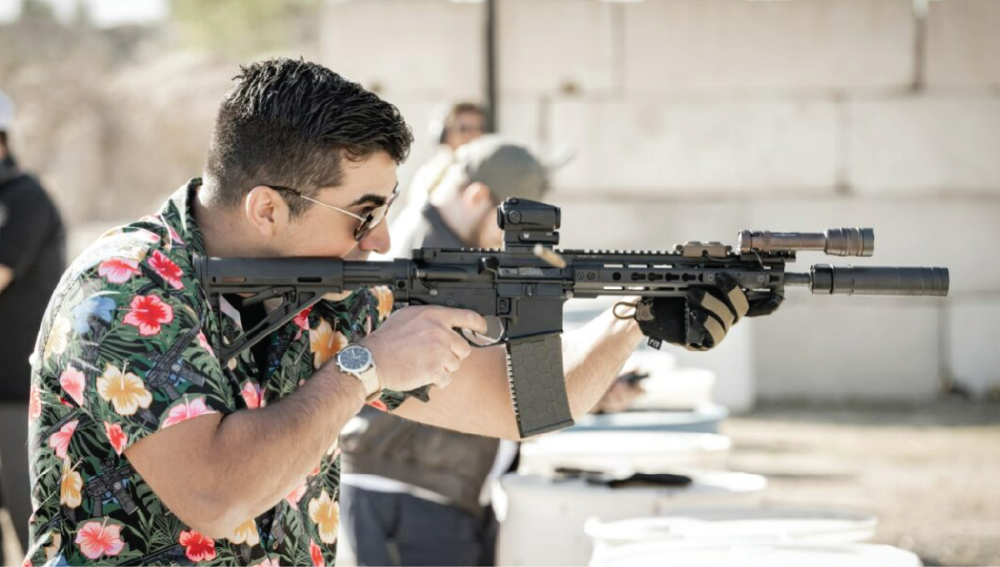
Suppressors are precision tools that live or die by the pressure and heat they’re asked to tame, and barrel length is the first gatekeeper. A short barrel dumps hotter, higher-pressure gas straight into the baffles, spiking temperatures, accelerating erosion, and robbing the suppressor of the very decibels it was designed to deliver. Manufacturers publish minimum lengths because they’ve already mapped the failure curve; ignore it and you’re not “testing the limits,” you’re simply prepaying for a new can and possibly a new host firearm.
For the 2A community this isn’t abstract engineering trivia—it’s a direct reminder that rights come with responsibilities that affect everyone who values access to these tools. When a negligent user torches a suppressor or creates an unsafe firearm, the resulting warranty denial, negative press, or even regulatory scrutiny lands on the entire industry. Choosing the right barrel length, or opting for a suppressor rated for short barrels when that’s the mission, keeps the aftermarket healthy and the anti-suppressor narrative starved of fresh ammunition. In short, barrel specs aren’t red tape; they’re the fine print that keeps suppressors—and the broader right to own them—viable for the long haul.


