

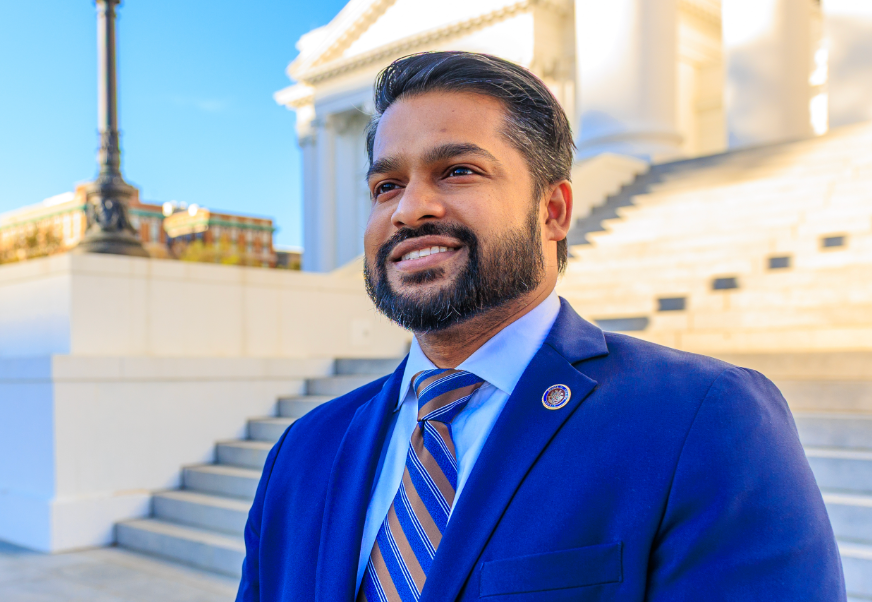
Virginia Delegate Marcus Simon’s assault-weapons ban just hit its first real speed bump, and the sponsor’s reaction tells you everything you need to know about how these laws actually work. When more than a dozen elected Commonwealth’s Attorneys announced they would not prosecute otherwise-law-abiding citizens under the measure, Simon didn’t defend the statute on its merits; he accused the prosecutors of “nullification” and demanded they be removed from office. That’s a remarkable admission: the bill’s own author concedes that without compelled local enforcement, the restriction is little more than paper. For Virginians who value the Second Amendment, the episode is a reminder that rights don’t vanish the moment a legislature passes a bill; they survive when local officials refuse to become the enforcement arm of a policy they view as unconstitutional.
The larger implication is structural. Gun-control advocates have spent years shifting from Congress to statehouses and then to county courthouses, betting that sympathetic DAs would turn every new restriction into immediate criminal jeopardy. Simon’s outburst shows the limits of that strategy. When prosecutors elected by the same voters who sent pro-2A legislators to Richmond decide the new statute crosses a constitutional line, the law’s practical reach shrinks dramatically—exactly the kind of decentralized resistance the Founders built into the system. The episode also hands the 2A community a potent talking point: if the policy were as popular and clearly constitutional as its backers claim, it wouldn’t need threats against elected law-enforcement officers to stay alive.
Looking ahead, the fight is likely to move from legislative chambers to campaign trails and courtrooms. Voters in those prosecutor districts now have a clear choice between officials willing to criminalize common firearms and those who treat the Second Amendment as a hard limit rather than a suggestion. Meanwhile, any future attempt to add registration, confiscation, or magazine bans will face the same friction: without willing local partners, even the most ambitious gun-control package can stall at the indictment stage. For Second Amendment supporters, that friction is not a loophole; it is a feature of federalism that keeps fleeting legislative majorities from erasing long-settled rights overnight.


