

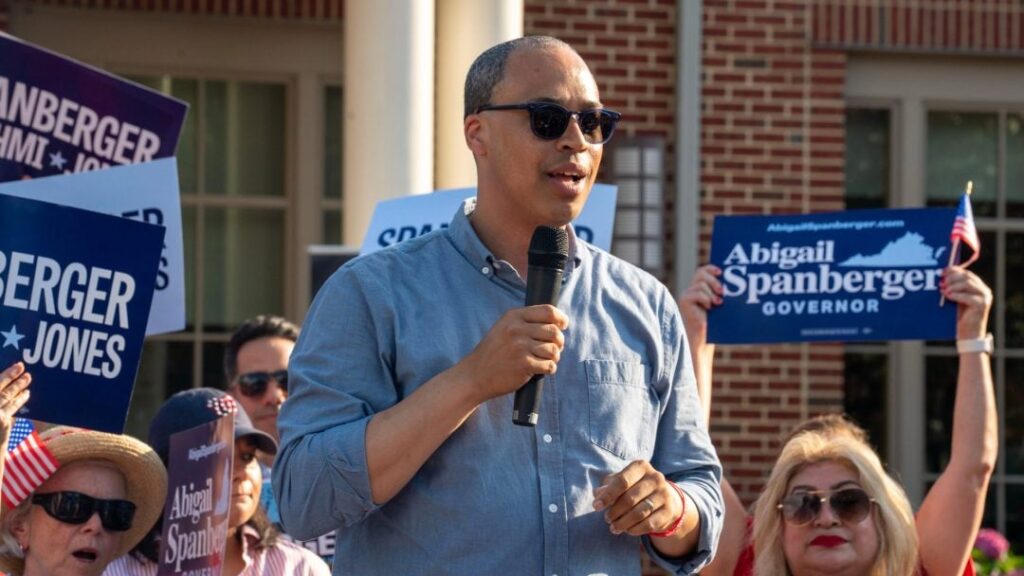
Virginia’s Attorney General isn’t waiting for the courts to finish their work—he’s already moving to keep the state’s new semi-automatic rifle and magazine restrictions alive for any agency or jurisdiction not explicitly covered by the two lawsuits that have so far blocked enforcement. By carving out this narrow but deliberate path, Jay Jones is signaling that the bans remain “in force” wherever a plaintiff hasn’t yet stepped forward, effectively turning the pause button into a game of legal whack-a-mole. The tactic is clever in its cynicism: rather than defend the law on the merits, the state is betting that piecemeal litigation will exhaust resources and chill compliance before a final ruling can settle the constitutional questions once and for all.
For the 2A community the message is unmistakable—temporary victories in court do not equal permanent protection when an attorney general is willing to treat non-litigants as fair game. Every dealer, range, and citizen outside the named plaintiffs now faces the same uncertainty that existed before the injunctions, and the longer this shadow lingers the more likely it becomes that voluntary compliance or quiet self-censorship fills the gap left by unenforced statutes. The episode also underscores a broader pattern: even after Bruen, activist officials continue to test the outer edges of what they can still impose by exploiting procedural loopholes and the high cost of sustained litigation.
The practical takeaway is that rights must be defended proactively, not merely reactively. Virginia’s experience shows that injunctions are only as strong as the plaintiffs willing to seek them and the attorneys general willing to respect them; without both, the same restrictions can reappear in neighboring counties or agencies tomorrow. The 2A community’s next move should be coordinated, statewide challenges that close every remaining loophole rather than leaving scattered victories that an enterprising AG can simply step around.


