

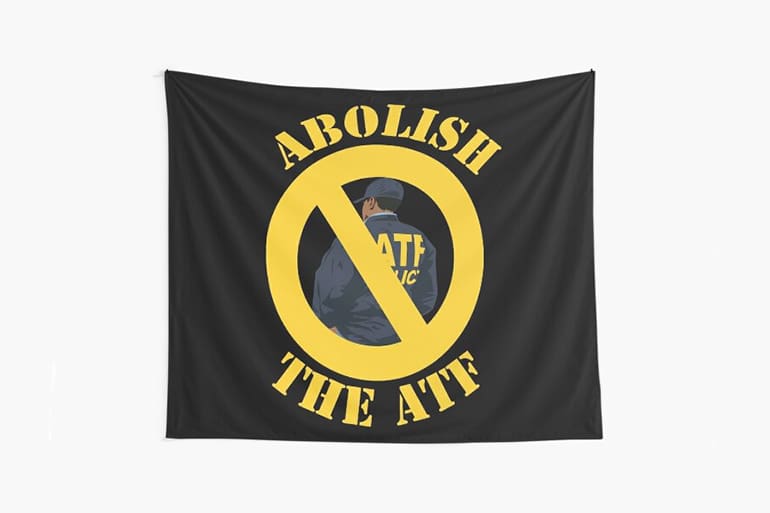
The existence of the ATF as a standalone federal agency is a glaring constitutional anomaly that no other enumerated right has to endure. While the First Amendment’s press and assembly protections operate without a dedicated bureaucracy micromanaging ink, paper, or meeting permits, the Second Amendment is treated like an industrial activity requiring constant federal oversight. This structural imbalance didn’t emerge from the text of the Constitution; it grew from 20th-century regulatory layering that converted a simple individual right into a heavily licensed commercial sector, complete with its own enforcement arm that can redefine entire classes of firearms by administrative fiat.
For the 2A community, the real danger isn’t just the ATF’s existence but the precedent it sets: once a right is assigned its own regulator, the political incentive shifts from protecting liberty to expanding jurisdiction. Recent rulemakings on pistol braces, forced-reset triggers, and “ghost guns” illustrate how an agency can effectively amend the statutory definition of a firearm without new legislation, shifting the burden onto citizens to prove compliance rather than requiring the government to prove infringement. This dynamic chills innovation, raises compliance costs for small manufacturers, and creates a permanent class of potential felons whose legal status can flip overnight with a new interpretation.
The deeper implication is that the Second Amendment’s survival may ultimately depend on dismantling the very apparatus built to manage it. Every successful court challenge that narrows ATF authority is not merely a win on a specific rule but a step toward restoring the original constitutional posture in which the right to keep and bear arms needs no federal chaperone. Until that structural correction occurs, gun owners will continue operating under an agency whose institutional mission is at odds with the text it claims to implement.


