

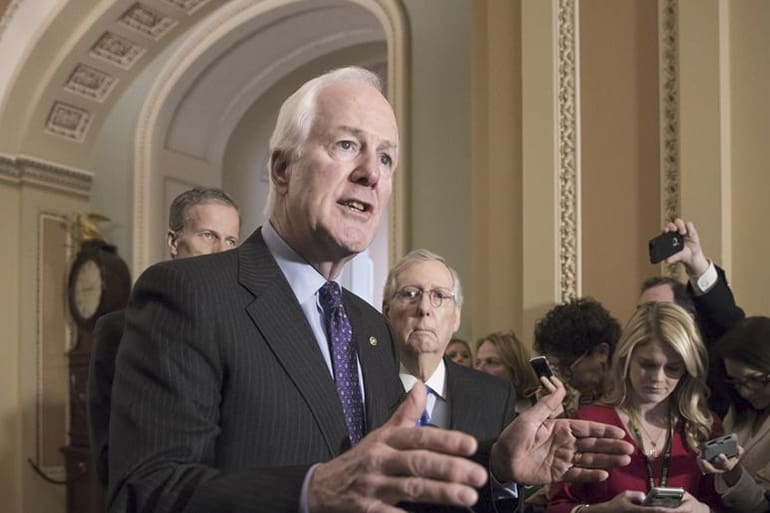
Texas Republican voters just handed Sen. John Cornyn a blunt reminder that the gun-rights community keeps score, and the 2022 Bipartisan Safer Communities Act remains a live political liability rather than a forgotten compromise. By stripping Cornyn of his Senate seat, the electorate signaled that procedural maneuvering and back-room deals on enhanced background checks, red-flag incentives, and new restrictions on young buyers carry a steeper price than many inside-the-Beltway Republicans assumed. The move also underscores how the post-Bruen landscape has sharpened grassroots scrutiny: once a bill clears the Senate, its architects can no longer hide behind “it could have been worse” talking points when voters have both the data on enforcement creep and the primary-ballot remedy in hand.
For the broader Second Amendment community, the outcome functions as both vindication and warning shot. Groups that spent months spotlighting Cornyn’s fingerprints on the legislation now have fresh proof that sustained pressure can convert polling discontent into electoral consequences, tightening the margin for error on future “bipartisan” gun measures. At the same time, the episode spotlights an emerging strategic tension—how to channel this energy into primary challenges without fracturing GOP margins in the general election, especially in states where Democratic challengers remain eager to exploit any intra-party bloodletting. Watch for copy-cat accountability efforts in purple-state Senate races; the Cornyn precedent suggests that 2A voters are increasingly willing to punish incumbents who treat gun-control concessions as low-cost political currency.


