

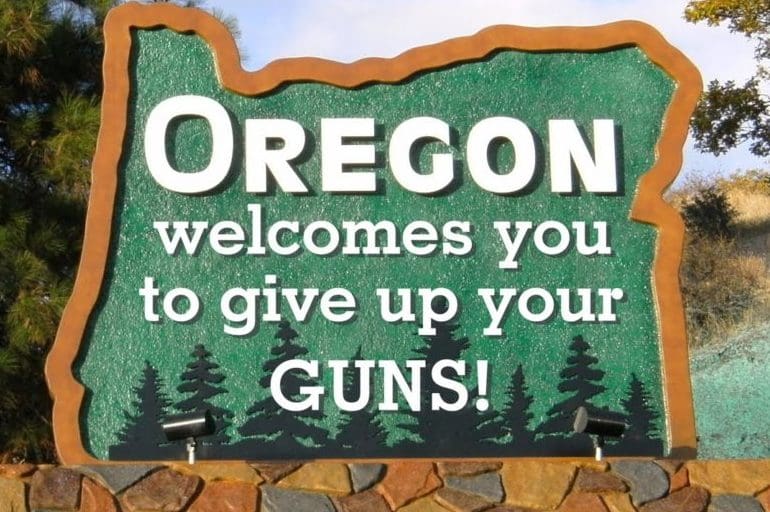
Oregon’s Measure 114 was sold as a modest “public-safety” tweak—background checks plus a permit-to-purchase scheme—but the data tell a different story. Within weeks of the ballot measure’s passage, the state recorded tens of thousands of extra NICS checks, a surge that dwarfs the usual seasonal bump and signals a population-level rush to beat the coming restrictions. That reaction isn’t panic buying; it’s rational, forward-looking behavior by citizens who correctly read the law as the first step toward a de-facto registry and discretionary permitting system.
The deeper lesson for the 2A community is that every new control creates its own constituency of newly awakened gun owners. Oregon’s experience mirrors what happened after Colorado’s magazine ban and California’s micro-stamping rules: the very people the legislation claims to protect become the most motivated participants in the political and legal push-back. Those extra background checks translate into new members at local ranges, fresh plaintiffs for upcoming lawsuits, and a larger donor base for groups litigating permit-to-purchase schemes in federal court.
Strategically, the episode underscores why pro-rights advocates should treat every “reasonable” restriction as a mobilization opportunity rather than a foregone defeat. The numbers out of Oregon show that voters who might otherwise remain passive will act when the threat is concrete and imminent. The task now is to convert that one-time surge into durable infrastructure—range networks, training programs, and state-level PACs—so the next proposed limit meets an even larger, better-organized constituency ready to push back.


