

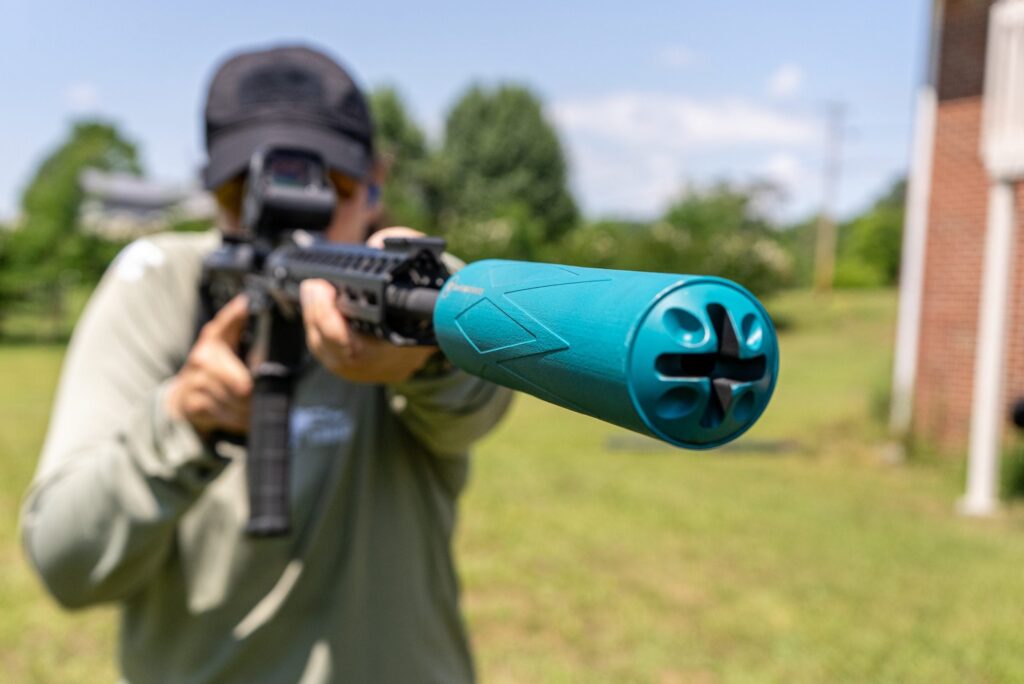
America just crossed the six-million-suppressor mark, and the numbers tell a story that goes far beyond “more people are buying cans.” The data shows a clear shift: buyers are younger, more urban, and increasingly motivated by hearing protection rather than the old-school “tacti-cool” image. That means the suppressor market is no longer a niche hobbyist corner—it’s becoming standard equipment for new shooters who grew up with OSHA-level expectations about noise exposure. The geographic spread is equally telling; states that once had almost no registered cans are now seeing double-digit growth, proving that once people understand the safety and etiquette benefits, the old stigma fades fast.
For the 2A community this surge is both validation and a warning shot. Validation because it demonstrates that when a product is useful, lawful, and increasingly affordable, Americans will embrace it regardless of legacy-media framing. The warning is that six million tax stamps also create six million data points that could be exploited if political winds shift. Every Form 4 on file is a reminder that our rights still flow through federal paperwork, and the next anti-gun administration will know exactly who owns what. The community’s job now is to convert these new suppressor owners into activists who treat $200 stamps and year-long waits as policy failures, not minor inconveniences.
The bigger implication is cultural. Suppressors are turning into the gateway accessory that introduces first-time buyers to the rest of the NFA world and, more importantly, to the broader argument that sound moderation is a public-health issue, not a public-safety threat. When a new shooter’s first range experience is noticeably quieter and neighbors stop complaining, the old “silencer” boogeyman loses power. Six million cans later, the data suggests the suppressor is doing what decades of op-eds could not: normalizing the idea that armed citizens can also be responsible ones.


