

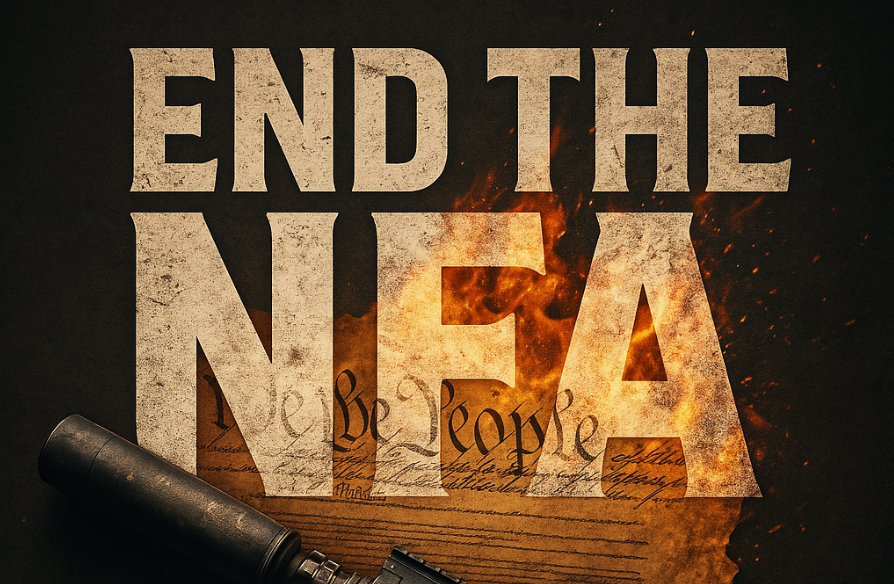
The Second Amendment Foundation’s measured celebration over the DOJ’s decision not to appeal the nationwide injunction against the National Firearms Act’s registration and tax requirements is more than just a press-release victory lap—it’s a signal that the administrative state’s century-old chokehold on certain arms may finally be slipping. By letting the district-court order stand, federal lawyers have effectively conceded that the government lacks a compelling interest in treating short-barreled rifles, short-barreled shotguns, and suppressors as quasi-contraband simply because they cross an arbitrary inch-and-tax threshold. That concession matters: it shifts the burden back onto regulators to justify every new paperwork hoop with actual evidence of harm rather than reflexive appeals to “public safety.”
For the broader gun-owning public, the practical effect is immediate. Law-abiding citizens in every state can now legally acquire and possess items that were previously gated behind $200 tax stamps and months-long waits, without fear of retroactive prosecution while the injunction holds. Yet the champagne stays on ice because the underlying statute remains on the books; a future administration could still notice an appeal or promulgate new rules that attempt to thread the constitutional needle the district court found missing. The real test will come when the case reaches the Supreme Court and the justices decide whether the NFA’s entire regulatory scheme survives the Bruen history-and-tradition test—an outcome that could either entrench or eviscerate the 1934 Act’s remaining restrictions.
Strategically, the SAF’s framing of the non-appeal as “one big step closer to being free” is savvy politics as much as legal commentary. It keeps donor energy high, pressures lawmakers who might otherwise quietly revive the tax-stamp regime, and signals to lower courts that the Second Amendment’s “shall not be infringed” language is no longer a polite suggestion. If the Fifth Circuit or the Supreme Court ultimately agrees, the NFA’s registration regime could collapse like the pistol-brace rule did—another example of an agency rule that tried to outrun both statutory text and constitutional limits. For now, the 2A community can treat the injunction as a live-fire demonstration that aggressive litigation, not just legislative trench warfare, can peel back decades of accumulated gun-control barnacles one injunction at a time.


