

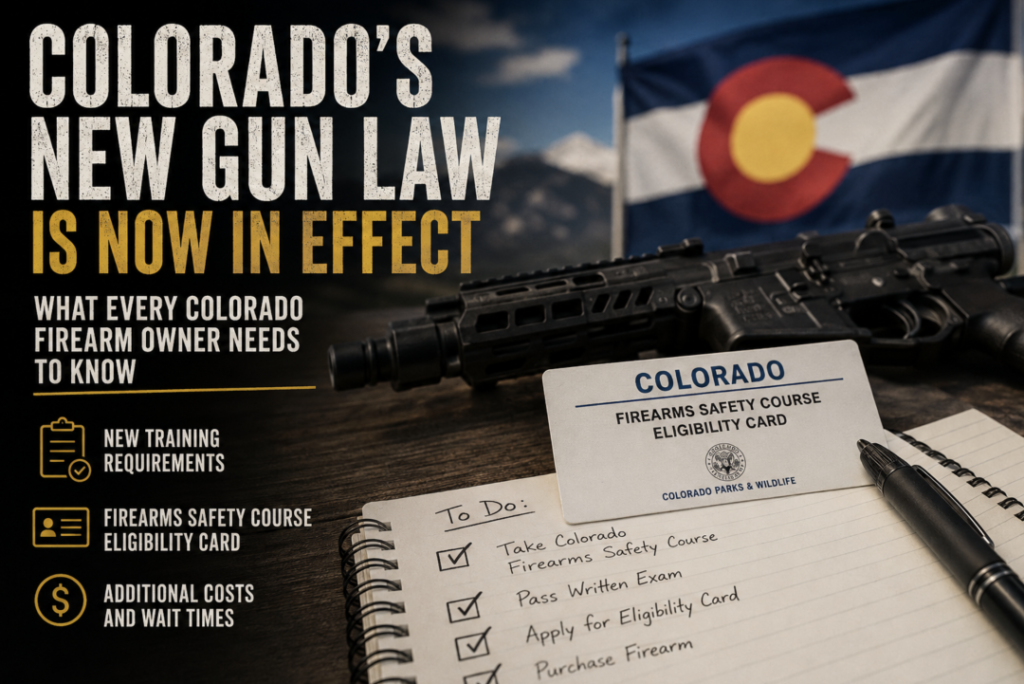
The NRA’s swift move to join the federal challenge against Colorado’s permit-to-purchase scheme is more than just another lawsuit—it’s a calculated shot across the bow at the latest attempt to turn the Second Amendment into a government permission slip. By filing an amicus brief just weeks after the law took effect on August 1, the NRA is signaling that it will not allow states to quietly normalize a system that treats the right to keep and bear arms like a privilege that must be earned through bureaucratic hoops. The timing matters: the organization is striking while the law is still fresh, before it can become entrenched and harder to unwind in court.
What makes this case especially significant is how it fits into the post-Bruen landscape. Colorado’s new requirement forces law-abiding citizens to obtain a government-issued permit before purchasing a firearm, a process that inevitably involves fees, delays, and discretionary approval—precisely the kind of prior restraint the Supreme Court rejected in Bruen. The NRA’s involvement amplifies the legal firepower already in play and underscores a broader strategic reality: the gun-rights community cannot afford to let even one state’s experiment in permitting become a model for others. If Colorado’s law survives, it will serve as a blueprint for similar restrictions nationwide, effectively allowing states to regulate the exercise of a constitutional right out of existence through a thousand small administrative burdens.
For the 2A community, this fight is about more than paperwork—it’s about whether the right to bear arms remains a fundamental liberty or becomes contingent on state approval. The NRA’s early intervention sends a clear message that every new permitting regime will face immediate, coordinated resistance, and that the post-Bruen era will be defined not by passive defense but by proactive litigation to dismantle these barriers before they can take root.


