

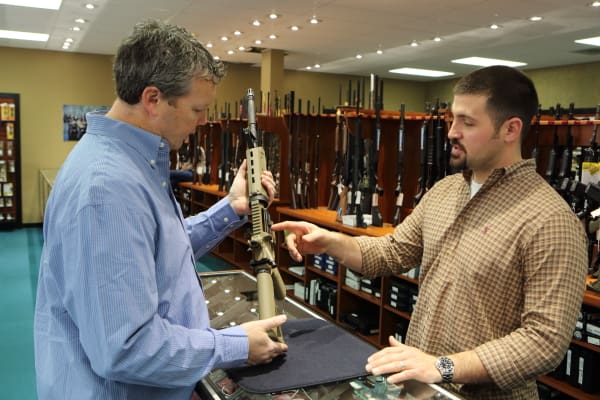
Virginia’s new assault weapons ban was supposed to choke off the supply of so-called “military-style” firearms, yet the first month of enforcement produced the exact opposite result: background checks more than doubled statewide as residents rushed to buy before the restrictions took full effect. That surge isn’t an accident of timing; it’s the predictable market reaction whenever politicians signal that a popular category of arms is about to be placed out of reach. Law-abiding Virginians understand that once a firearm is banned, future transfers, parts, and magazines become legal minefields, so they acted while the window was still open. The irony is rich—Spanberger’s legislation, sold as a public-safety measure, instead accelerated the very purchases it aimed to prevent and handed the gun-control lobby a statistical black eye.
For the broader Second Amendment community the episode is a case study in how prohibition rhetoric backfires. Every time a state legislature floats magazine limits, feature bans, or registration schemes, the same pattern repeats: panic buying clears dealer shelves, manufacturers ramp up production, and the used market tightens. Virginia’s numbers simply confirm what national data have shown for years—gun-control proposals function as the industry’s most effective marketing campaign. More importantly, the rush underscores a deeper truth: millions of citizens still view semi-automatic rifles as core to the right of self-defense and are unwilling to surrender that option without a fight. Lawmakers who treat the right as a bargaining chip should expect the same result next time they reach for the ban button—more guns in more hands, faster than any statute can disarm them.


