

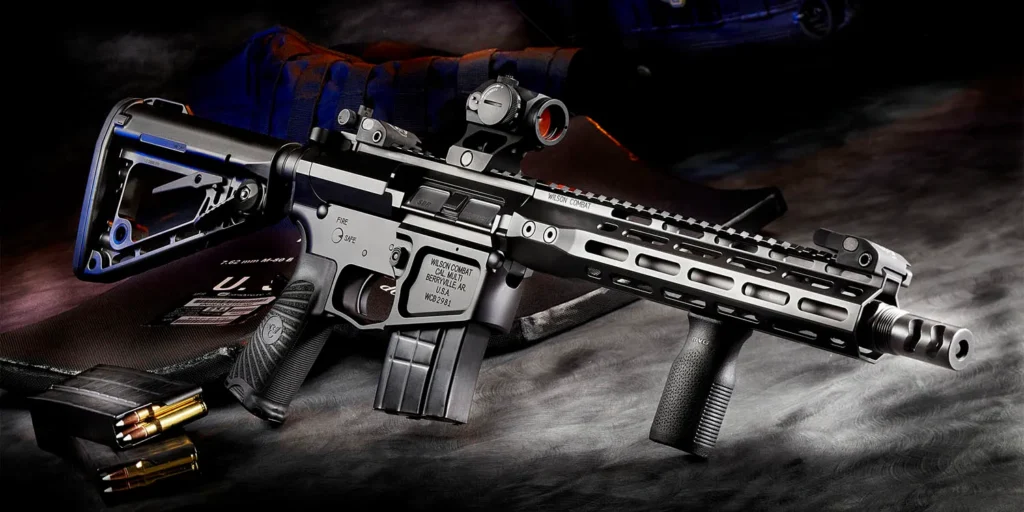
Gun-rights groups filing a joint amicus brief in the Sixth Circuit isn’t just another procedural filing—it’s a coordinated strike at the heart of the National Firearms Act’s most arbitrary category. By arguing that short-barreled rifles deserve the same constitutional protection as standard-length arms, these organizations are forcing courts to confront whether a 1934-era tax-and-registration scheme can survive modern scrutiny after Bruen. The brief’s strength lies in its collective voice: when multiple major players pool resources and legal talent, it signals to judges that this isn’t fringe litigation but a mainstream constitutional question the entire industry takes seriously.
What makes the timing especially potent is the post-Bruen landscape. Courts can no longer hide behind interest-balancing tests; they must now examine whether SBR restrictions align with the nation’s historical tradition of firearm regulation. The coalition’s brief supplies precisely the kind of historical and textual analysis Bruen demands, highlighting that short-barreled rifles were common in early America for cavalry, home defense, and frontier use. If the Sixth Circuit accepts even part of that argument, it could create a circuit split that pressures the Supreme Court to finally address whether the NFA’s length-based distinctions are constitutional relics or legitimate public-safety measures.
For everyday gun owners the stakes are practical as well as legal. Millions of Americans already own AR-15 pistols or “other” firearms that skirt the SBR definition through workarounds like braces or overall-length measurements. A favorable ruling would eliminate the $200 tax, multi-month wait times, and intrusive registration that currently turn a simple configuration choice into a federal felony. More importantly, it would reassert that the Second Amendment protects the right to keep and bear arms in the configurations people actually want to use, not the configurations Congress decided were acceptable in 1934.


