

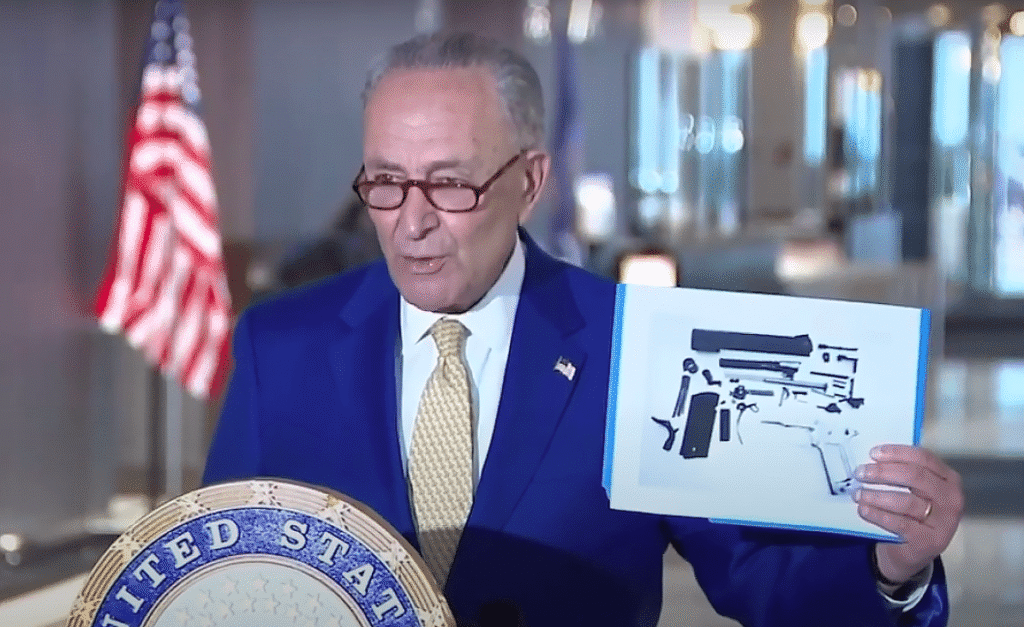
A federal judge in Texas just handed the Biden administration another stinging rebuke, ruling that its “ghost gun” rule violates both the Second and Fifth Amendments. The decision underscores a growing judicial skepticism toward the ATF’s attempts to stretch statutory language beyond recognition, especially when those efforts target constitutionally protected conduct. By striking down the rule, the court reaffirmed that the government cannot simply redefine longstanding terms like “firearm” and “frame or receiver” to sweep in privately made firearms that Congress never intended to regulate.
For the 2A community, this ruling is more than a legal victory—it’s a reminder that the administrative state’s appetite for gun control is being checked by the courts. The ghost-gun rule was never about crime; it was a backdoor attempt to expand federal oversight over an entire class of lawful, non-commercial firearm making. The judge’s opinion highlights how the rule’s vague and overbroad language left ordinary citizens guessing about their legal obligations, a textbook Fifth Amendment due-process violation. That kind of sloppy rulemaking collapses under Bruen’s history-and-tradition test, and the administration’s loss here signals that future attempts to criminalize home builds will face the same scrutiny.
The practical takeaway is clear: law-abiding gun owners can continue to exercise their right to make and possess firearms for lawful purposes without a federal permission slip. More importantly, the decision adds momentum to ongoing challenges against other ATF rules that similarly stretch the law. As long as judges keep demanding that gun-control measures actually fit within our constitutional tradition, the administrative gun-grabbers will keep losing—and the right to keep and bear arms will keep winning.


