

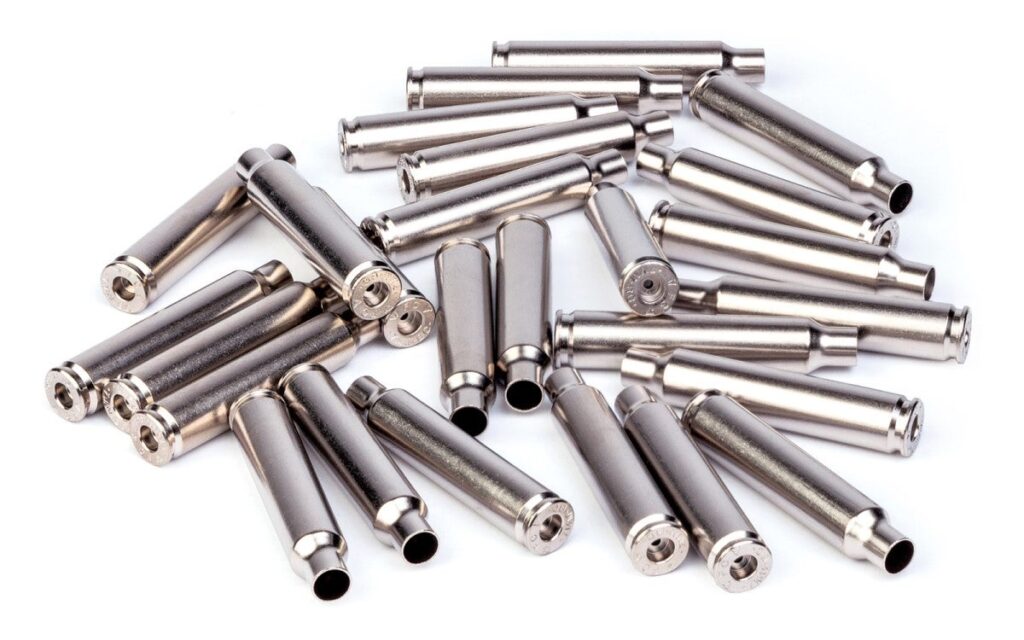
Federal Premium’s Peak Alloy technology, long celebrated by civilian shooters for its lighter weight and superior terminal performance, is now officially crossing into military service under a fresh U.S. Army contract. The move signals more than a simple procurement win; it validates years of private-sector innovation that the 2A community has quietly funded through everyday purchases of hunting and defensive ammunition. By adopting a round already proven in the hands of American gun owners, the Army is essentially crowd-sourcing its next-generation small-arms capability from the very market the Second Amendment protects.
What makes the story especially resonant for pro-2A readers is the implicit admission that commercial R&D often outpaces bureaucratic timelines. Peak Alloy’s metallurgy—originally refined to give weekend hunters flatter trajectories and cleaner kills—now promises soldiers reduced carry weight without sacrificing barrier penetration or accuracy. That transfer of technology reverses the usual flow in which military specs eventually “trickle down” to civilians; instead, a product born in a free market is being fast-tracked to the battlefield. The precedent matters: if commercial ammunition can meet or exceed mil-spec requirements, future attempts to restrict civilian access to “military-grade” components lose both technical and moral footing.
For the broader firearms community, the deal underscores a simple truth—innovation thrives where individuals retain the right to develop, test, and purchase cutting-edge projectiles. Every box of Peak Alloy sold at retail has helped underwrite the R&D that the Army is now leveraging, demonstrating in real time why an armed and innovative populace remains a strategic asset. As production scales to meet military demand, civilian shooters can expect continued refinements and, crucially, the reassurance that their own range and field data helped shape the next standard-issue round.


