

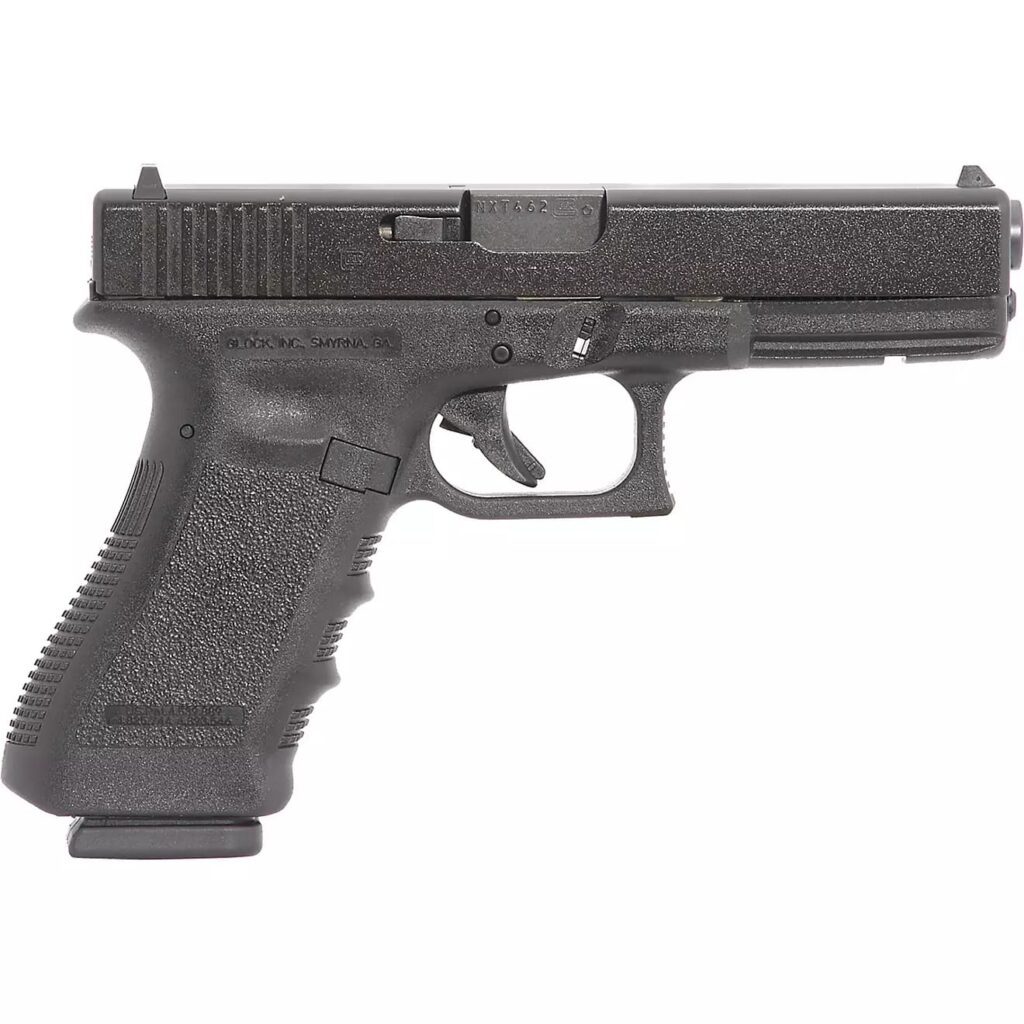
A federal judge’s refusal to pause California’s Glock ban while the underlying challenge moves forward is less a procedural footnote than a flashing warning light for the entire Second Amendment ecosystem. By letting the restriction stay on the books during litigation, the court effectively green-lights a state experiment that singles out the most popular handgun platform in America—millions of Gen3 through Gen5 Glocks already in circulation—under the novel theory that a striker-fired pistol with a removable magazine is somehow an “assault weapon.” That framing collides head-on with Bruen’s text-and-tradition test, yet the denial of emergency relief suggests at least one district court is willing to let the experiment run until a fuller record is built, a delay that could stretch years while California gun owners navigate a patchwork of compliance, confiscation threats, or quiet relocation of their property.
For the broader pro-2A community the ruling underscores how procedural timing has become the new front line. The Department of Justice’s motion for a temporary restraining order was an attempt to short-circuit the law before it could chill lawful commerce and self-defense rights; its rejection hands California a temporary win on the battlefield of inertia. That inertia matters: FFLs must decide whether to continue stocking standard-capacity magazines and complete firearms, manufacturers must weigh whether to engineer California-specific SKUs, and carriers must weigh the legal risk of crossing state lines with now-prohibited configurations. Every month the ban remains in force without a merits decision normalizes the idea that popular semiautomatic pistols can be redefined out of constitutional protection by legislative wordplay.
The longer-term implication is strategic rather than doctrinal. If this case reaches the Ninth Circuit or beyond while the ban is still operative, the 2A community will be arguing not only the merits but also the accumulated harm—lost sales data, chilled training, and the precedent that a single state can functionally nullify a common firearm nationwide through market pressure. That is why the denial of emergency relief is worth more attention than its dry procedural label suggests: it converts litigation into a slow-motion disarmament tool, and it tests whether federal courts will treat the right to keep and bear arms with the same urgency they afford other enumerated rights when preliminary relief is requested.


