

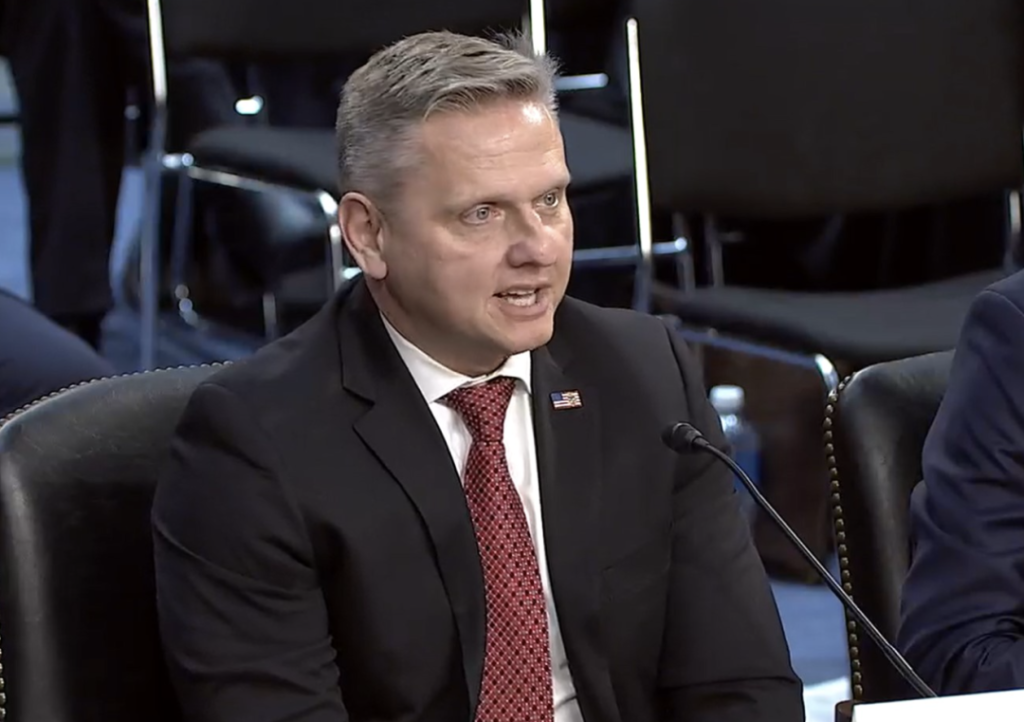
Everytown’s sudden escalation against incoming ATF Director Robert Cekada is less about the man and more about the unmistakable signal the Trump administration just sent: the regulatory tide that has been rising for years is about to recede. By rolling out a broad package of reforms aimed at trimming the agency’s overreach, the administration has effectively told gun owners that the days of ATF “reinterpretations” that criminalize previously legal conduct are numbered. Everytown’s frantic response—framing routine administrative housekeeping as some kind of existential threat—reveals how dependent the gun-control movement has become on an unaccountable bureaucracy willing to stretch statutes to achieve policy goals Congress never passed.
For the 2A community, the stakes are both immediate and structural. Short-term, the reforms promise relief from the most aggressive enforcement postures of the prior administration, particularly around pistol braces, forced-reset triggers, and the weaponization of “engaged in the business” language. Longer-term, a Director willing to rein in the agency’s rulemaking-by-press-release approach could reset the balance of power between regulators and the regulated, forcing future administrations to seek actual legislation rather than administrative fiat. That shift matters because it restores democratic accountability: if gun-control advocates want new restrictions, they will have to win them in Congress instead of laundering them through an alphabet agency.
The real story here is not Everytown’s press release but the recognition, on both sides, that the ATF’s direction has changed. Gun owners have spent the last several years watching an agency treat statutory silence as a blank check; seeing that practice challenged at the top is a reminder that administrative agencies are not permanent fixtures of policy. The 2A community’s task now is to keep the pressure on so that reform becomes durable rather than merely directional.


