

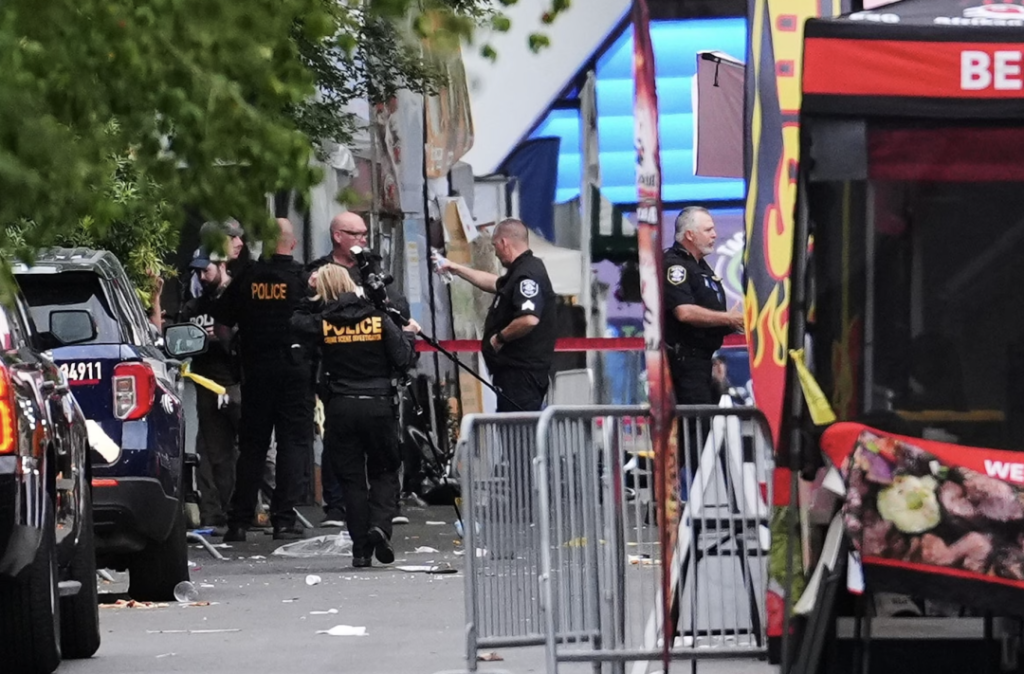
Seattle’s political class is once again treating the symptom as the disease. After a 15-year-old opened fire at a festival, leaving multiple victims dead or wounded, the mayor and police chief immediately framed the carnage as a “gun problem.” CCRKBA’s response cuts through that narrative by pointing out the obvious: a juvenile with a firearm is the product of failed families, revolving-door courts, and a city that has spent years demonizing police while celebrating “restorative justice.” When the adults in charge refuse to secure streets or enforce existing law, blaming an inanimate object becomes the only politically safe move.
The deeper implication for the 2A community is that every high-profile shooting is now treated as fresh ammunition for preemptive restrictions on lawful owners. Seattle’s leadership isn’t proposing tougher prosecution of minors caught with guns or real consequences for straw purchasers; they’re floating the same menu of magazine bans, permitting schemes, and “sensitive-place” edicts that have already failed in Chicago and New York. Law-abiding gun owners watch this cycle and understand the endgame: each tragedy is leveraged to chip away at the right to keep and bear arms while the actual shooters—often already prohibited persons—are never seriously addressed.
For Second Amendment advocates, the takeaway is strategic clarity. Defensive organizations like CCRKBA exist precisely to counter the reflexive “more gun control” script before it hardens into policy. The data remain consistent: cities with the strictest gun laws often post the highest per-capita gun violence when family structure, policing, and prosecution collapse. Until Seattle’s leaders confront those root causes instead of the hardware in citizens’ safes, the body count will continue to climb and the Constitution will keep taking collateral damage.


