

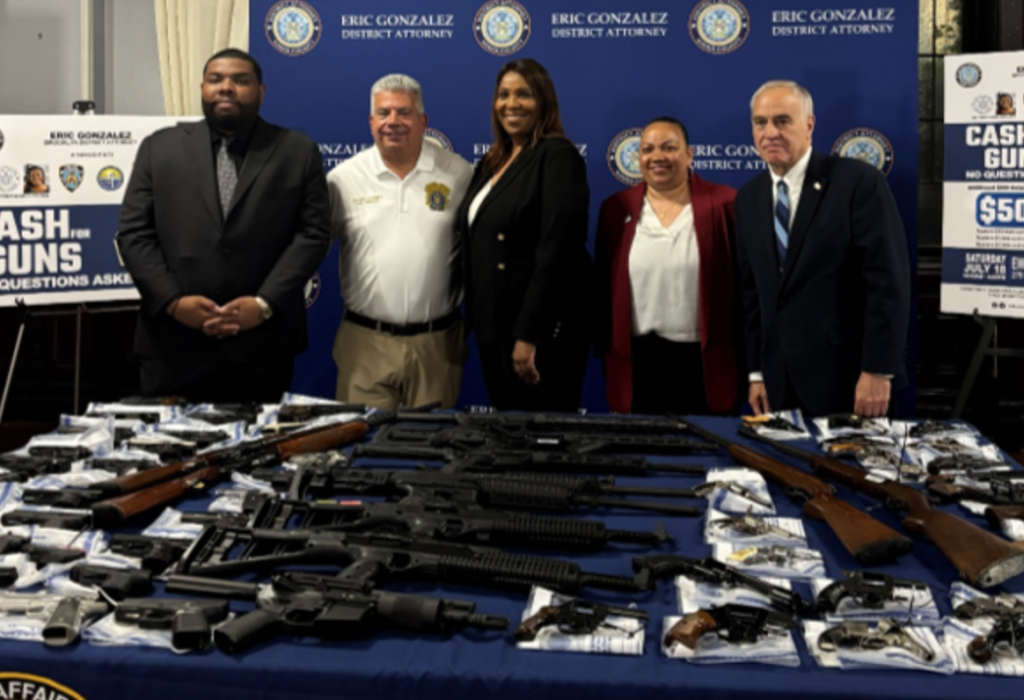
New York officials are patting themselves on the back after a Brooklyn gun “buyback” netted 191 firearms, but the celebration rings hollow when you look at the data. These programs routinely collect old, low-value guns—revolvers from the 1970s, single-shot shotguns, and the occasional rusted relic—while the handguns actually used in street crime stay on the black market. Studies from places like Baltimore, Milwaukee, and even the U.K. show no measurable drop in homicides or shootings after buybacks, because the people turning in guns aren’t the ones committing the violence. In a city where legal gun ownership is already strangled by permitting delays and “may-issue” discretion, the only people likely to show up are law-abiding citizens looking for easy cash or a way to clear out grandpa’s attic.
The real story here is how these events serve as political theater rather than public-safety policy. Mayor Adams and the NYPD get to stage photo-ops with crates of surrendered firearms, the media runs the headline, and the underlying drivers of Brooklyn gun violence—gang activity, drug markets, and a revolving-door justice system—remain untouched. Meanwhile, the same officials who tout the buyback continue to push magazine bans, “red flag” expansions, and restrictions on the very citizens who follow every rule to own and carry legally. It’s a classic bait-and-switch: disarm the compliant while the criminal element laughs all the way to the next illegal gun purchase.
For the 2A community, the takeaway is clear—don’t be fooled by the optics. Every dollar spent on these feel-good roundups is a dollar not spent on targeted enforcement against violent repeat offenders. The data consistently shows that the overwhelming majority of gun crimes are committed by a tiny fraction of the population with prior felony convictions; removing functional firearms from that group would require actual policing, not amnesty programs that treat granddad’s .22 like a public menace. Until New York leaders focus on the shooters instead of the steel, these “buybacks” will remain what they’ve always been: expensive recycling events masquerading as crime control.


