

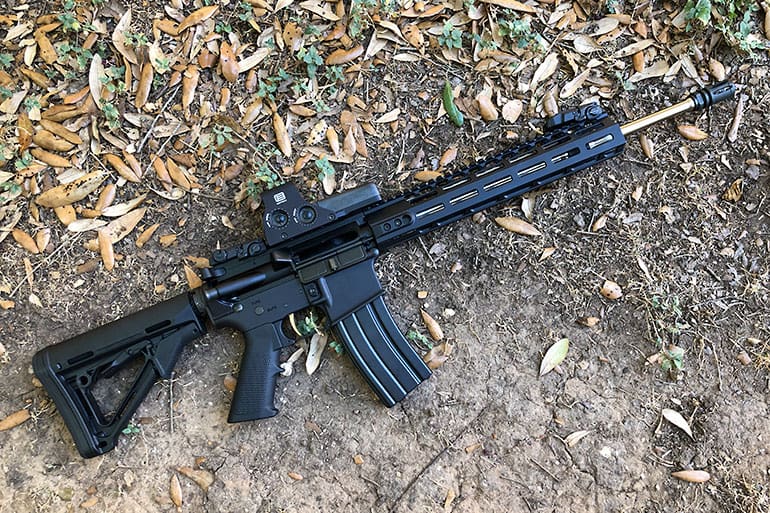
The Third Circuit’s decision to strike down New Jersey’s so-called “assault weapon” and magazine bans is more than a win on paper—it’s a direct rebuke of the state’s long-running effort to criminalize the most commonly owned semi-automatic rifles and standard-capacity magazines in America. By applying the Supreme Court’s Bruen framework, the court correctly recognized that these firearms and magazines are in common use for lawful purposes, and that New Jersey’s restrictions have no historical analogue in the Founding era. That’s the kind of rigorous, text-and-history analysis that turns vague “public safety” rhetoric into constitutional dust.
For the 2A community, this ruling signals that the post-Bruen landscape is finally delivering results beyond the Fifth Circuit. New Jersey’s law was one of the most aggressive in the country, banning an ever-expanding list of semi-autos and forcing owners into magazine-capacity straitjackets that have no basis in American tradition. The Third Circuit’s willingness to call that out should chill similar efforts in neighboring states and give renewed momentum to challenges still working their way through the system. It also underscores a broader truth: when courts stop deferring to legislative labels and actually examine whether a restriction burdens conduct protected by the Second Amendment, the bans start falling.
The practical takeaway is that millions of law-abiding gun owners just gained breathing room in a region long hostile to the right to keep and bear arms. Expect New Jersey to appeal, and expect the usual parade of amicus briefs from anti-gun groups claiming the sky will fall. But the opinion makes clear that the Constitution doesn’t vanish at the Delaware River, and that the right to a common semi-automatic rifle with a standard magazine isn’t a regional privilege—it’s a national guarantee.


