

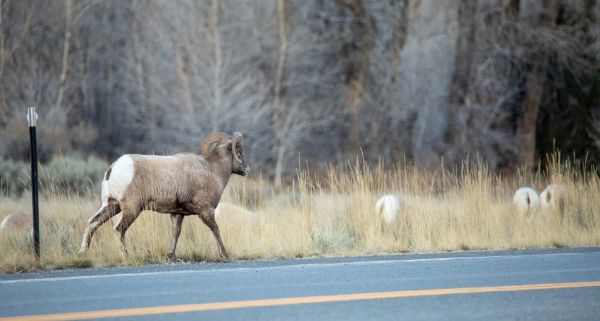
Wyoming’s latest wildlife advisory isn’t just about road safety—it’s a snapshot of how drought reshapes the entire landscape, including the places where hunters, ranchers, and everyday carriers operate. When big game animals crowd highway shoulders for the last green forage and standing water, they’re also signaling that traditional migration corridors and water sources are drying up. That forces both wildlife and the people who depend on them into tighter spaces, raising the odds of everything from vehicle strikes to tense encounters on public land. For the 2A community, the takeaway is practical: slower speeds mean fewer lost animals and fewer “I had to swerve” moments that could escalate into defensive-use situations, while the same drought that crowds the roads is also concentrating game in pockets that savvy hunters will want to scout early.
The numbers tell their own story. More than 1,630 reported big-game collisions in a single year is a reminder that every mile per hour above the posted limit multiplies kinetic energy and reaction time in equal, unforgiving measure. Those collisions don’t just ding bumpers; they remove breeding stock from herds already stressed by limited water and late-season forage. In a state where hunting licenses fund the lion’s share of wildlife management, every animal saved on the highway is an animal that can still be sustainably harvested later. That loop—habitat health, hunter participation, and conservation funding—remains the quiet backbone of the Second Amendment’s practical exercise in the West.
Finally, the advisory underscores a broader truth: when natural systems tighten, human behavior has to adapt faster than regulation can keep up. Whether you’re driving to an elk camp, hauling hay between drought-stricken pastures, or simply commuting with a carry piece under the seat, the same discipline applies—anticipate the unexpected, keep your speed in check, and treat every roadside shadow as a potential liability rather than an inconvenience. In Wyoming this year, that mindset doesn’t just protect wildlife; it keeps the human ecosystem that supports hunting rights, ranching culture, and everyday self-defense running smoothly when the land itself is under stress.


