

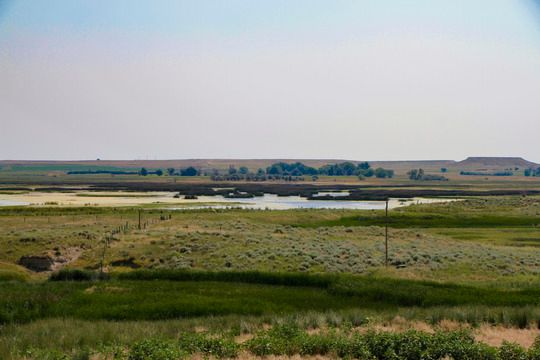
Wyoming’s latest land acquisition isn’t just another bureaucratic checkbox—it’s a strategic expansion of the Table Mountain Wildlife Habitat Management Area that quietly strengthens the state’s public-land hunting footprint. By folding 370 additional acres and 84 water rights into an existing WHMA, the Game and Fish Commission is ensuring that both resident and non-resident hunters continue to have quality, walk-in access to birds, deer, and antelope without having to navigate a patchwork of locked gates or pay-to-play leases. In a political climate where anti-hunting litigation and “buffer-zone” proposals keep surfacing, every new parcel under state wildlife management becomes de-facto proof that regulated hunting remains compatible with agriculture and habitat stewardship.
For the 2A community, the move carries a subtler but equally important message: when state agencies demonstrate they can grow public opportunity through willing-seller transactions rather than regulatory overreach, they blunt the narrative that only federal edicts or private-land closures can “protect” wildlife. Wyoming’s model—pairing habitat dollars with continued grazing leases—shows that multiple-use principles still work when property rights are respected. That matters nationally because it undercuts the talking points used by those pushing magazine bans or “sensitive areas” restrictions; if hunters and ranchers keep proving they are the best on-the-ground conservationists, the cultural case for an armed, land-connected citizenry stays intact.
The ripple effects extend beyond Goshen County. Expanded WHMAs often translate into higher draw odds for limited-quota tags, sustained youth-mentor programs, and a measurable bump in hunter recruitment—metrics that directly influence state legislative support for everything from shall-issue carry reciprocity to defense of constitutional carry. In short, this 370-acre purchase is small in acreage but outsized in precedent: it reinforces that the surest way to keep both habitat and the Second Amendment healthy is to keep buying, managing, and hunting the land the old-fashioned way—through ownership, not edict.


