

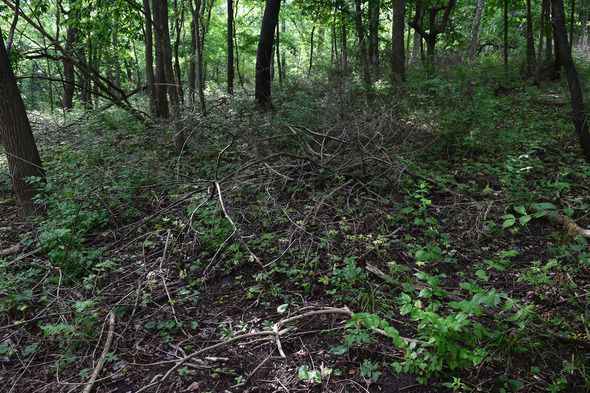
In the rolling timber of Shelby County, Iowa, the return of wild ginger and Virginia waterleaf after invasive honeysuckle removal isn’t just a win for native flora—it’s a quiet reminder that healthy land and healthy rights often grow from the same root. When the Iowa DNR cleared 116 acres of Rosenow Timber and used controlled burns to coax back oak forest, they restored more than plants; they rebuilt the kind of cover that turkeys, deer, and migrating birds need to thrive. For the 2A community, that matters because public lands managed for real biodiversity become the very places where hunters, hikers, and families exercise their right to keep and bear arms in the field, not just on paper.
The deeper lesson here is that conservation and constitutional carry are two sides of the same stewardship coin. Removing an aggressive invader like honeysuckle requires decisive action—the same kind of decisive action that keeps our Second Amendment rights from being choked out by regulatory overgrowth. When wildlife biologist Doug Chafa notes the rebound of woodland plants and the wildlife they support, he’s describing the payoff of active management over passive neglect. That same principle applies to our rights: they flourish when citizens stay engaged, push back against invasive policies, and insist that both forests and freedoms be tended with care rather than left to bureaucrats who might prefer either to wither.
For gun owners who value both tradition and tomorrow, stories like Rosenow Timber reinforce why we fight for access to public lands and why we support science-based habitat work that keeps game populations strong. A restored oak woodland means more places to hunt, more reasons to pass on outdoor skills to the next generation, and more living proof that responsible firearm owners are among the best allies the land has. The plants came back because someone removed what didn’t belong; our rights will endure the same way—if we keep clearing the invasives and letting the native strength return.


