

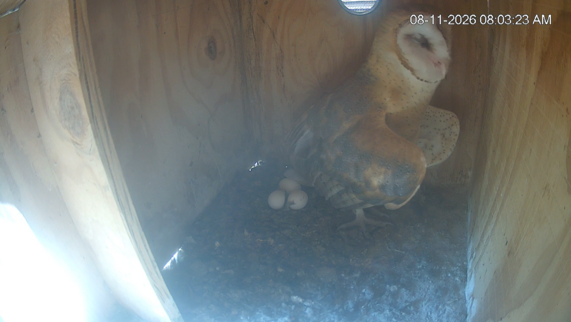
The Whitewater Draw barn owl cam just delivered a masterclass in what happens when habitat and prey base line up perfectly: a second clutch of eggs in August, something that only about one in ten pairs ever attempt. The same adults that already fledged five owlets earlier this year are now sitting on another round, a biological flex made possible by the kind of healthy desert riparian corridor that Arizona Game and Fish has worked hard to protect. For anyone who has watched the live feed, the sight of the female methodically tucking fresh eggs beneath her while the male continues nightly rodent airlifts is a real-time reminder that conservation success is measured in generations, not headlines.
That second clutch carries a quiet lesson for the firearms community. Barn owls are nocturnal rodent-control specialists; every vole or pocket gopher they remove is one less vector for hantavirus, crop damage, and the kind of overpopulation that forces property owners toward indiscriminate poisoning. When sportsmen and women fund habitat projects through excise taxes on ammunition and firearms, they are underwriting exactly this kind of predator-prey balance. The Whitewater Draw owls are, in effect, working a night shift that complements the daytime predator management many ranchers and farmers already practice with rifles and shotguns.
The timing also matters. As western states grapple with drought-driven rodent irruptions and the spread of anticoagulant poisons up the food chain, the presence of a thriving owl population offers a non-lethal, self-sustaining alternative. The fact that these birds are raising two broods in a single season signals that the habitat is resilient enough to support both the owls and the hunters, ranchers, and recreationists who rely on the same landscape. In other words, the webcam is broadcasting more than cute fluff; it is documenting the return on investment that comes when Second Amendment advocates and wildlife managers stay on the same side of habitat conservation.


