

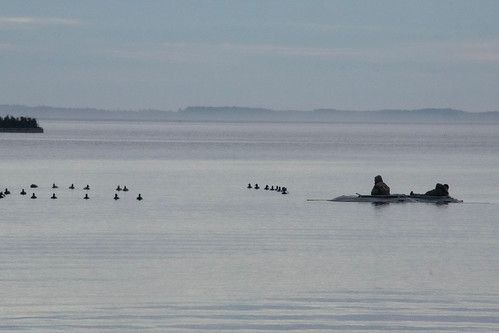
Maryland’s decision to open an online lottery for offshore waterfowl blind sites is more than a scheduling notice—it’s a reminder that the state still treats public waters as a managed privilege rather than an open right. By requiring a valid hunting license just to enter the draw, Maryland is quietly reinforcing the principle that the ability to pursue game is inseparable from the broader right to keep and bear arms; the same constitutional logic that protects a shotgun in a duck blind also shields the citizen’s ability to defend hearth and home. The lottery’s narrow window and random selection process may look like neutral resource allocation, but it also concentrates decision-making power in a single agency, raising the perennial Second Amendment question of how much gate-keeping the government should exercise over lawful outdoor traditions.
For the 2A community the stakes are practical as well as philosophical. Waterfowl hunting has long served as an entry point for new shooters—many of whom later become range members, competition participants, and vocal defenders of the right to bear arms. When states streamline or complicate access to these activities, they are effectively shaping the next generation of gun owners. A fair, transparent lottery that doesn’t add extra layers of discretionary review is preferable to opaque “need-to-show” systems that have historically been used to throttle participation. At the same time, the requirement that winners attend virtual site-selection meetings underscores how even recreational access is now mediated by digital bureaucracy, a trend that could migrate to other firearms-related permitting if left unchallenged.
Ultimately, the Maryland lottery is a small but telling data point in the larger contest over whether outdoor heritage remains a robust expression of individual liberty or becomes another regulated concession. Pro-2A sportsmen should watch not only who wins the blind sites, but also how future rule changes might tighten or loosen the linkage between hunting privileges and the fundamental right to keep and bear arms.


