

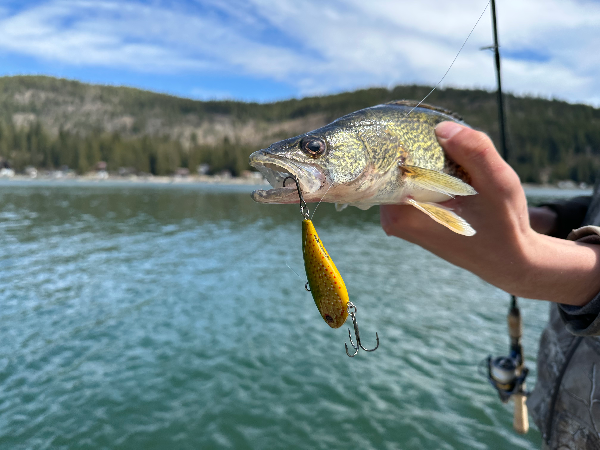
Idaho’s fisheries managers are drawing a hard line against walleye because the non-native predator gobbles down native trout, bass, and—most critically—the smolts of threatened salmon and steelhead that already struggle to navigate dams, warm water, and ocean conditions. By asking every angler who hooks a walleye outside three small reservoirs to dispatch it on the spot, Fish and Game is essentially deputizing the public to protect an entire aquatic ecosystem, a move that echoes the same principle sportsmen have invoked for generations: when a species threatens the balance, responsible harvest is conservation. The request isn’t about eradicating a popular game fish; it’s about keeping walleye from turning productive trout streams into sterile predator pits the way they have in parts of the Great Lakes and prairie reservoirs.
For the 2A community the parallel is obvious and instructive. Just as wildlife agencies rely on armed, ethical citizens to control over-abundant or invasive species, the same citizen-hunters and anglers form the political bulwark against reflexive gun-control measures that would strip that capability away. When Idaho tells sportsmen to carry a sidearm or keep a .22 in the boat to finish the job on an invasive walleye, it tacitly affirms the everyday utility of firearms in resource management—an argument that lands with particular force in Western states where federal land agencies increasingly defer to state fish-and-game rules. If the same voices now calling for “invasive-species control” were told tomorrow that their rifles or handguns were suddenly “assault weapons,” the resulting vacuum would leave both ecosystems and communities more vulnerable, not less.
The larger implication is that conservation and self-defense are two sides of the same constitutional coin: both depend on an informed, equipped populace willing to act when government resources alone cannot keep pace with the threat. Anglers who answer the call on walleye are rehearsing the same habits of responsibility that keep the Second Amendment vibrant—knowing when to harvest, when to protect, and when an outside idea (whether a fish or a policy) simply does not belong in the local habitat.


