

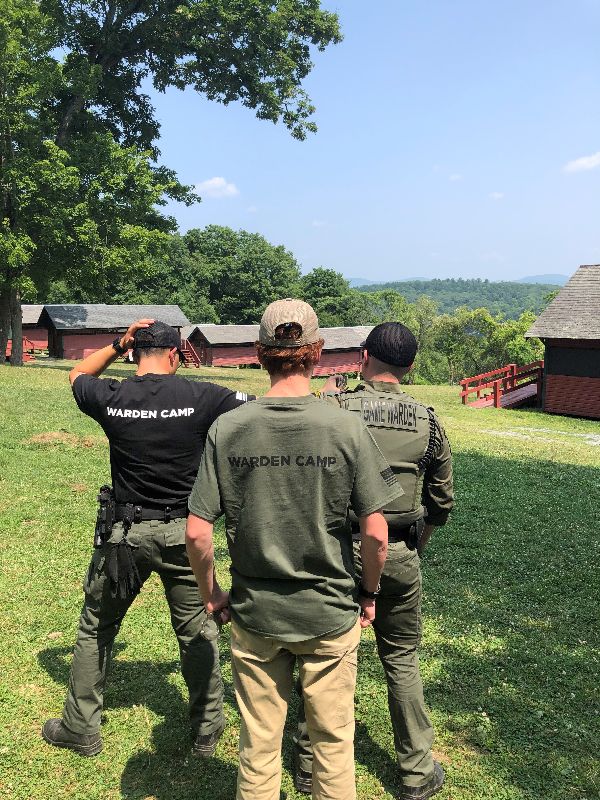
Vermont’s decision to run a hands-on Junior Warden Weekend for 15-to-17-year-olds is more than a summer camp—it’s a deliberate pipeline that turns curious teens into the next generation of conservation officers who will one day enforce the very laws that protect our hunting heritage. By letting participants process game, investigate mock poaching scenes, and watch K-9 teams in action, the program gives them an early, visceral understanding of why regulated harvest and secure property rights matter; those lessons travel home with them and become quiet but powerful arguments against the narrative that firearms and hunting are relics of a bygone era. At $150 all-inclusive, the state is essentially subsidizing an apprenticeship in self-reliance and rule-of-law that no classroom lecture can match, and the 2A community should notice: every graduate who later straps on a badge or simply votes with an informed perspective is another voice that can push back when anti-hunting or gun-control proposals surface in Montpelier.
The timing is equally strategic. With recruitment shortfalls plaguing fish-and-game agencies nationwide, Vermont is front-loading civic education at the exact age when many young adults begin forming political identities. A weekend spent handling evidence, learning chain-of-custody protocols, and sharing meals with working wardens plants the seed that conservation isn’t an abstract government function—it’s a partnership between armed, trained citizens and the state. That partnership only survives if the Second Amendment remains robust enough to keep both the officers and the sportsmen they serve equipped for the field. In short, the program isn’t just teaching teens how to become wardens; it’s quietly reinforcing the cultural and legal infrastructure that keeps hunting, shooting, and wildlife management viable for decades to come.


