

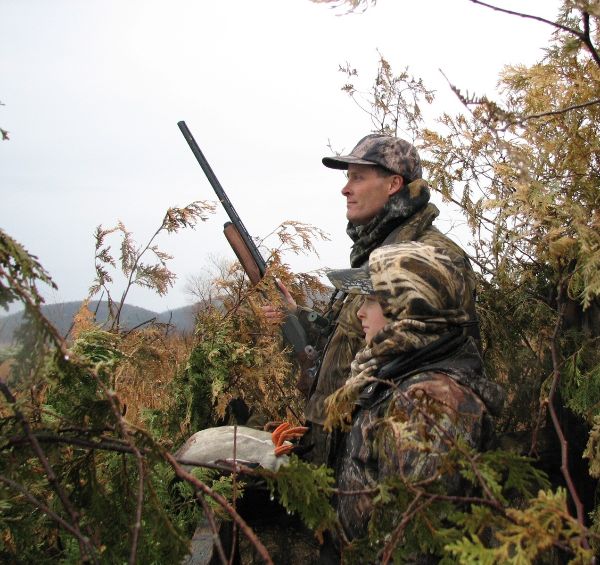
Vermont’s announcement of the 2026-2027 migratory game bird seasons is more than a routine calendar drop—it’s a quiet affirmation that the state still trusts its citizens with the tools and traditions of self-reliant conservation. By carving the landscape into three distinct zones—Lake Champlain, Interior Vermont, and the Connecticut River—and tailoring bag limits for Canada geese, ducks, and woodcock, regulators are acknowledging that one-size-fits-all rules ignore both biology and the lived experience of local hunters. That granular approach keeps harvest pressure sustainable while preserving the cultural backbone of rural communities that have long viewed regulated hunting as the original environmental ethic.
For the 2A community, these dates carry a deeper signal: when wildlife agencies treat hunters as partners rather than problems, they reinforce the principle that the right to keep and bear arms includes the right to responsibly harvest game. Every shotgun shouldered at dawn on opening day is both a sporting arm and a living demonstration that Vermont’s founders understood the necessity of an armed citizenry capable of feeding itself and stewarding its resources. The fact that the seasons remain robust, rather than shrinking under reflexive restriction, suggests that Vermont’s regulatory climate has not yet surrendered to the coastal impulse to criminalize ordinary tools of the field.
Still, the announcement arrives against a backdrop of incremental pressure—proposed magazine limits, storage mandates, and out-of-state money flowing into anti-hunting ballot initiatives. The 2A community should read the 2026-2027 calendar as both a victory to defend and a reminder that access to the field is only as secure as the political will to protect it. Hunters who show up, fill tags ethically, and mentor the next generation are doing more than enjoying a pastime; they are actively preserving the constitutional and ecological inheritance that makes these seasons possible in the first place.


