

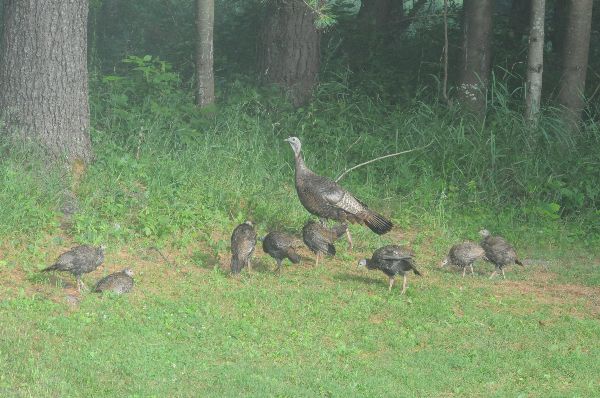
Vermont’s decision to crowdsource turkey brood data this summer is more than a wildlife-management exercise—it’s a real-time referendum on how well the state’s habitat and harvest rules are working together. By asking everyday observers to log poult counts, biologists like Toni Mikula can separate weather-driven losses from those caused by overly conservative or overly permissive seasons, giving regulators the numbers they need to fine-tune spring gobbler limits without guessing. For Second Amendment supporters, that matters: when population indices are transparent and hunter-derived, anti-hunting activists lose their favorite talking point that “we just don’t know enough to keep the season open.”
The survey also quietly underscores a larger truth about public-land access and private-land stewardship. Every reported brood is another data point proving that well-managed private acreage—often owned by the same families who buy tags and support Pittman-Robertson funding—produces more turkeys than parcels locked behind layers of restriction. If the numbers show strong poult survival on working farms and woodlots, the case strengthens for keeping those properties in private hands rather than turning them into no-touch preserves that shrink both game populations and hunter opportunity.
Finally, the timing of the effort, right on the heels of spring turkey season, reminds the firearms community that citizen science is itself an act of engagement. The same sportsmen and women who pattern rifles, pattern choke tubes, and debate optic choices are now being asked to log GPS coordinates and brood sizes; doing so keeps the data pipeline full and the regulatory process evidence-based. In an era when incremental restrictions often arrive disguised as “precaution,” Vermont’s brood survey is a small but tangible reminder that sustained harvest and sustained populations are not mutually exclusive—they’re two sides of the same well-managed ledger.


