

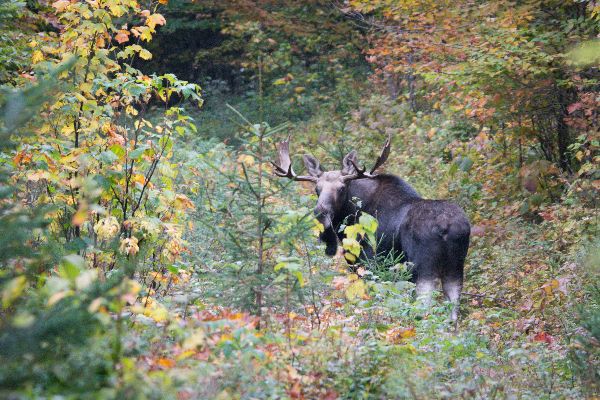
Vermont’s annual moose lottery isn’t just a wildlife-management exercise; it’s a textbook case of how tightly regulated access to a public resource can still preserve the individual right to hunt. By carving out a special priority drawing for resident veterans, the Fish and Wildlife Department quietly acknowledges that those who served the Constitution deserve first crack at one of the state’s most coveted big-game tags—an implicit nod to the same founding principles that place the right to keep and bear arms at the core of American liberty. The 65 either-sex and 20 antlerless permits may sound modest, but they represent a deliberate, science-driven harvest that keeps Vermont’s moose herd healthy while giving ordinary citizens a tangible stake in wildlife conservation.
For the 2A community, the real story lies in what didn’t happen: no new magazine bans, no “assault weapon” restrictions, and no attempt to turn the lottery into another layer of discretionary permitting. Instead, unsuccessful applicants simply bank bonus points—an equitable, transparent system that rewards persistence rather than political connections. That approach stands in stark contrast to states where anti-hunting interests have tried to shrink seasons or ban traditional firearms under the guise of “public safety.” Vermont’s model shows that when wildlife agencies stay focused on biology and fairness, the Second Amendment remains intact even as the resource is carefully stewarded.
Looking ahead, the 2026 season will test whether this balance holds. With bonus-point accumulation already favoring long-term applicants, the odds for dedicated hunters improve each year, reinforcing the idea that rights exercised responsibly earn greater opportunity. If other states watch Vermont’s results, they may realize that measured, lottery-based access can satisfy both conservation goals and the cultural expectation that law-abiding citizens retain the means and the freedom to hunt.


