

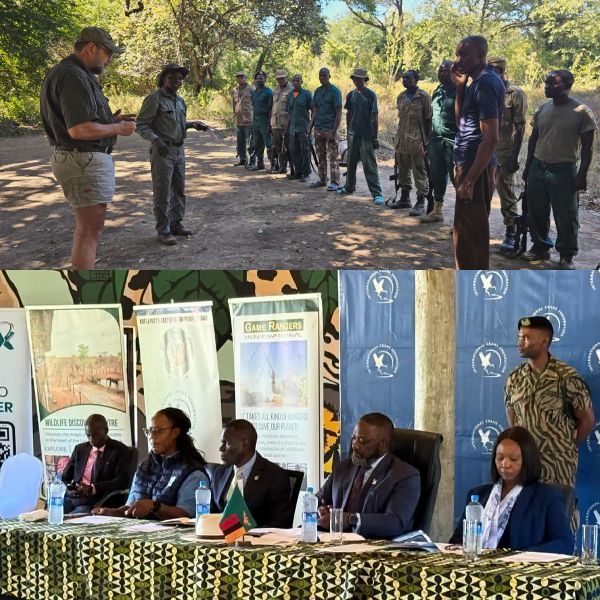
In the Zambezi Delta and Zambia’s Lower Luano, the Anti-Poaching and Landscape Protection Strategy is turning paper plans into boots on the ground, pairing armed rangers with local communities to secure nearly two million acres against organized poaching syndicates. What makes this effort noteworthy for American gun owners is the explicit recognition that effective wildlife stewardship requires trained, equipped personnel who can lawfully carry and use firearms—precisely the model Second Amendment advocates have long championed at home. By treating responsible firearm ownership as a conservation tool rather than a liability, these African pilots quietly validate the principle that an armed citizenry, when properly regulated and purpose-driven, can deter criminal networks that thrive wherever legal self-defense is curtailed.
The Zambian government’s pledge to donate wildlife to restock depleted areas further underscores a pragmatic truth: recovery follows security, and security follows the credible threat of force. For the 2A community, the lesson is straightforward—poaching is not defeated by signage or slogans but by people willing and legally empowered to intervene. As these pilots scale, they offer a living rebuttal to the narrative that more guns equal more problems; instead, they demonstrate that strategically placed, well-trained armed guardians remain the most reliable backstop against the black-market networks that strip nations of their natural heritage.


