

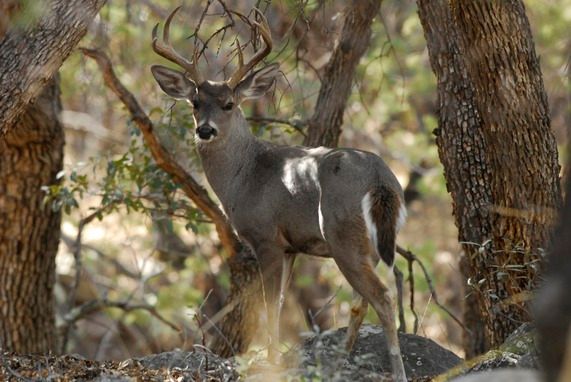
Arizona’s decision to release three leftover muzzleloader tags for Unit 33’s November 13-19 antlered whitetail hunt is more than a routine administrative footnote; it’s a snapshot of how tightly the state rations opportunity even when demand is modest. By opening a narrow, first-come, first-served window on July 6, Arizona Game and Fish is effectively conceding that its draw system can leave tags on the table, yet it still refuses to expand overall quotas or liberalize weapon restrictions. For the 2A community this underscores a larger pattern: every extra tag clawed back from the bureaucracy represents a small victory against the steady squeeze of limited-draw, limited-weapon, limited-season management that treats public-land hunters as a controllable variable rather than the primary constituency.
The muzzleloader-only rule itself is worth examining. While the state touts “primitive weapons” seasons as conservation tools, the practical effect is to shrink the pool of eligible hunters and, by extension, the political constituency that might push back against further restrictions. A hunter who already owns a legal centerfire rifle cannot simply grab that rifle and fill an unused tag; instead, the leftover opportunity is gated behind specialized gear and a compressed calendar. That design choice quietly reinforces the notion that government—not the individual—decides when, where, and with what tool a citizen may exercise the right to hunt on land the citizen already owns through taxes and tradition.
For Second Amendment advocates, the takeaway is straightforward: leftover tags are evidence that demand modeling is imperfect and that additional opportunity exists if agencies are willing to release it. The fact that only three tags surfaced in one unit should prompt questions about how many more could be added statewide if draw formulas were recalibrated or if weapon restrictions were loosened. Until those questions are answered, each July mail-in scramble serves as a reminder that the right to keep and bear arms is only as robust as the right to use them on the landscape we collectively steward.


