

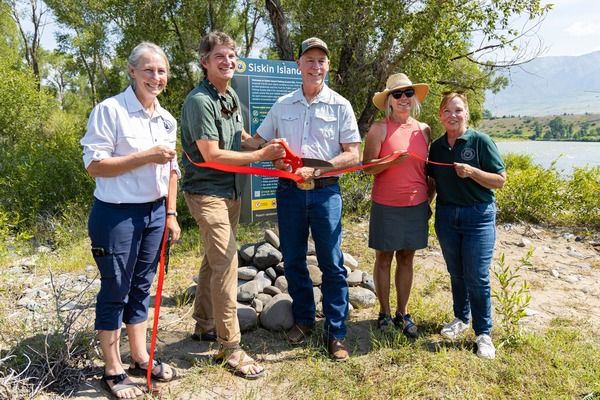
Montana’s newest fishing access site on the upper Yellowstone isn’t just another boat ramp—it’s a textbook example of how private philanthropy and state stewardship can lock in both habitat and public use without ever touching a single private firearm right. By folding an 82-acre island into the FWP portfolio, the Trust for Public Land has effectively created a floating buffer zone that keeps future subdivision pressure off the river corridor while guaranteeing float-in camping and angling access for generations. For Second Amendment advocates, the takeaway is straightforward: when land stays public and undeveloped, the legal and cultural space for lawful carry, hunting, and back-country self-defense expands rather than contracts.
The ripple effects reach beyond the riverbank. Every new parcel added to the public-access ledger strengthens the argument that conservation and recreation are compatible with, not hostile to, traditional uses—including the transport of firearms to lawful hunting grounds. In a state where the river corridor doubles as a migration route for elk and a travel corridor for sportsmen, keeping shoreline intact prevents the checkerboard of posted land that so often squeezes hunters into ever-smaller pockets. The Siskin Island acquisition also sets a precedent: future donations can be structured to codify both wildlife protections and explicit language ensuring continued access for lawful firearm discharge during hunting seasons, inoculating the site against creeping regulatory overreach.
Ultimately, this 82-acre addition is a reminder that the surest way to safeguard the places where Montanans shoot, fish, and camp is to keep those places in public hands and under multiple-use mandates. The Trust for Public Land and FWP have done the heavy lifting; the 2A community’s job is to stay engaged, ensuring that “conservation” never becomes a euphemism for “no guns allowed.”


