

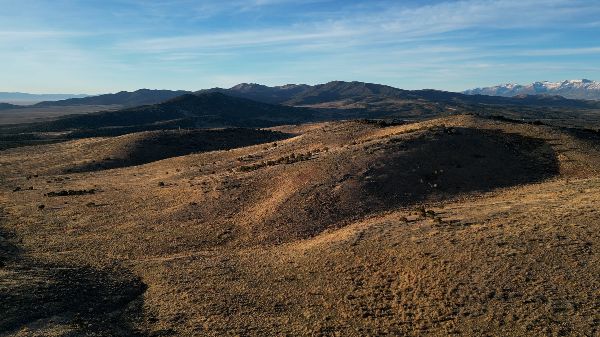
In a state where vast public lands often feel like the last true frontier for Western hunters, the Rocky Mountain Elk Foundation’s latest easement in Nevada’s Windermere Hills quietly delivers a masterclass in how private conservation can expand opportunity without expanding government control. By locking up 23,000 acres of prime elk country and a critical mule-deer migration route, RMEF didn’t just “protect habitat”—it created a de facto buffer against the kind of regulatory creep that too often follows when agencies alone hold the keys. The $850,000 Walmart-backed grant and the resulting access across 47,000 acres managed by the Nevada Department of Wildlife show that market-driven partnerships can outpace top-down mandates while still delivering tangible public benefit.
For the 2A community, the real story isn’t just the elk and deer; it’s the precedent. Every acre placed under a voluntary easement is an acre less likely to be carved up by anti-hunting litigation or turned into another restricted “study area.” When private landowners and sportsmen’s groups team up this way, they demonstrate that conservation and access are not mutually exclusive with property rights—the very foundation of the Second Amendment itself. Hunters who value both their firearms freedom and their hunting freedom should take note: supporting organizations that secure habitat through easements and access agreements is as strategic as defending shall-issue carry or fighting magazine bans.
The Windermere Hills project also underscores a broader truth the gun-control crowd rarely admits: the same people who reliably fund habitat work, pay excise taxes on ammunition, and steward wildlife populations are the ones least likely to abuse access privileges. By expanding walk-in country and migration corridors without new federal overlays, RMEF and its partners have given Nevada sportsmen more room to hunt ethically and responsibly—proof that strong property rights and strong conservation outcomes can, and do, coexist.


