

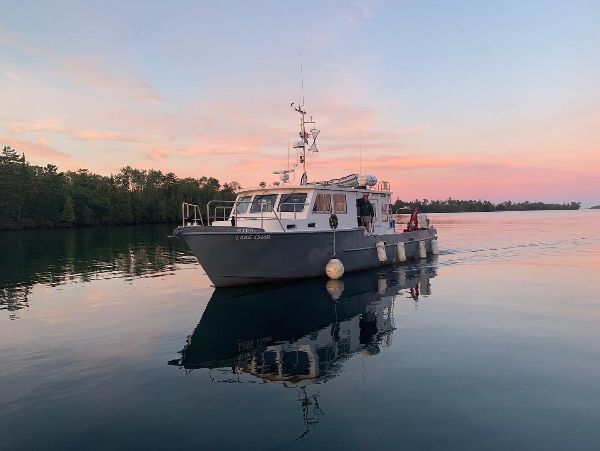
In the cold, lightless depths of Lake Superior, where siscowet lake trout have long thrived as one of the Great Lakes’ most resilient strains, researchers are now chasing reports of “zombie” fish—emaciated, lethargic specimens that appear to be wasting away despite living in what should be prime habitat. Michigan DNR and MSU pathologists boarding the RV Lake Char aren’t just studying a biological curiosity; they’re probing whether a pathogen, environmental stressor, or dietary collapse is quietly reshaping the fishery that supports both commercial netting and a robust recreational angling economy. For the firearms community, the stakes are immediate: healthy inland fisheries sustain the very rural economies and sporting traditions that keep shooting ranges, gun clubs, and conservation groups financially viable through license sales, tourism, and the broader outdoor lifestyle that underpins Second Amendment culture.
What makes this investigation especially relevant to 2A advocates is the way resource management decisions flow from such studies. If the “zombie” trout turn out to be victims of invasive species pressure, climate-driven forage changes, or even regulatory overreach in commercial harvest quotas, the resulting policy shifts could tighten or loosen angler access in ways that mirror the access battles gun owners already fight on public lands. A collapsed siscowet population wouldn’t just hurt charter captains; it would shrink the coalition of hunters, anglers, and shooters who collectively defend everything from magazine-capacity rights to the Pittman-Robertson funding model that channels excise taxes on firearms and ammo into habitat work. In short, when biologists climb aboard a research vessel to chase a fish die-off, they’re also charting the future strength of the very demographic that shows up at the polls and in the woods with rifles slung and fishing rods in hand.
The broader implication is that conservation isn’t a sideline issue for gun owners—it’s a core strategic interest. Every time a state fishery rebounds or a new public access point opens, it reinforces the narrative that responsible firearm owners are also the original conservationists who fund wildlife management through self-imposed taxes. Conversely, unexplained collapses like the one unfolding in Superior’s abyss remind us that healthy ecosystems and healthy shooting sports are linked; both require vigilance against unseen threats, whether those threats swim in 1,000 feet of water or lurk in legislative hearing rooms. By paying attention to stories like the RV Lake Char mission, the 2A community stays ahead of the regulatory ripple effects that begin with a sick fish and end with restricted access to the lands and waters where our rights are exercised daily.


