

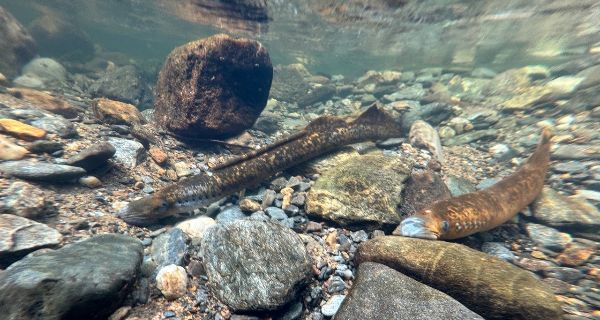
The Vermont Fish and Wildlife Department’s reminder to leave spawning sea lamprey alone in the Connecticut River drainage isn’t just a quirky conservation note—it’s a snapshot of how tightly regulated access to waterways has become, even for native species that once thrived without bureaucratic oversight. By improving fish-passage infrastructure at Holyoke and Vernon Dams and celebrating the passage of over 21,000 lamprey in a single season, state agencies are quietly expanding their footprint on rivers that sportsmen have historically used for everything from trout fishing to small-game hunting along the banks. For the 2A community, this matters because every new “protected” stretch of river, every seasonal closure, and every public-education campaign about not disturbing wildlife chips away at the practical freedom to carry, train, and recreate on public lands without second-guessing whether you’re about to step on a protected lamprey or violate some obscure timing restriction.
What looks like harmless stewardship today can become tomorrow’s justification for broader access controls, surveillance cameras at boat launches, or even outright seasonal bans on certain stretches of river that double as prime backcountry carry zones. The same agencies touting lamprey recovery are often the ones pushing for magazine limits, permit requirements, and “sensitive area” designations that treat armed citizens as the default threat rather than the historical stewards of those same watersheds. When conservation narratives are allowed to expand unchecked, they frequently migrate from fish ladders to trailhead parking lots to entire wildlife management areas where open carry or even concealed carry suddenly requires extra layers of permission.
The deeper implication is that 2A advocates cannot afford to treat wildlife notices as irrelevant to firearms liberty; every new ecological rule set becomes another data point in the slow normalization of regulated movement on public land. Supporting sensible lamprey passage is one thing; allowing that support to metastasize into a culture where anglers and hunters must constantly check apps and signs before stepping onto a riverbank is another. The Connecticut River story is a small, almost comical example of a much larger pattern: the gradual administrative fencing of the outdoors, one native species at a time.


