

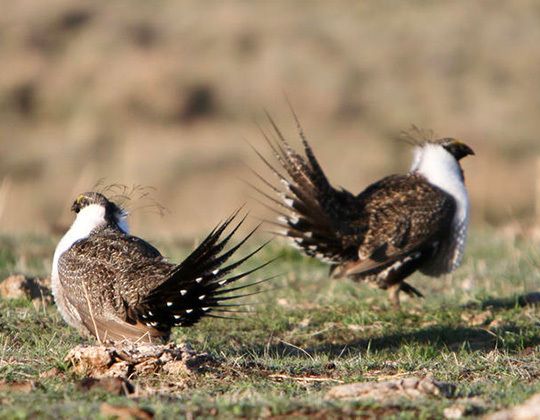
The Idaho Department of Fish and Game’s decision to trim sage-grouse tags from 5,030 to 4,280 for 2026 is more than a routine population adjustment—it’s a real-time demonstration of how wildlife management data can throttle access to a public resource that many sportsmen still view as part of their Second Amendment ecosystem. When male lek counts slip, harvest opportunity shrinks, and the same hunters who fund habitat work through Pittman-Robertson dollars feel the pinch first. That linkage matters: every lost tag is one less reason for a new shooter to buy a shotgun, one less mentor-apprentice outing that keeps the culture of lawful firearm use alive in rural counties already under pressure from shifting demographics.
What the agency’s July 5 comment window really tests is whether sportsmen will treat these biological briefings as the opening moves in a longer chess match over who ultimately decides when, where, and with what firearm a citizen may responsibly exercise the right to hunt. If the comment period draws only the usual suspects, regulators will keep interpreting “sound science” through an ever-narrowing biological lens that rarely weighs cultural or economic side-effects. Conversely, a surge of concise, data-backed letters tying tag cuts to lost recruitment of new gun owners could force the commission to publish a fuller cost-benefit ledger—one that includes the very demographic trends the 2A community has been warning about for years.
Bottom line, the sage-grouse isn’t just a bird; it’s a bellwether for whether hunting remains a viable gateway to firearm ownership or becomes another activity rationed until demand evaporates. The comment deadline is short, but the precedent being set is long.


