

Michigan’s NotMISpecies webinar series is quietly building the kind of coordinated, data-driven defense that every serious outdoorsman should study. By bringing together biologists, regulators, and boater-data specialists, the program is turning the abstract threat of invasive species into concrete response plans—plans that will decide which lakes, rivers, and dunes remain open and usable for hunting, fishing, and recreational shooting. When the same agencies that track zebra mussels and phragmites also control access to public land, the 2A community has a direct stake in whether those agencies operate with transparency or with mission creep that quietly restricts lawful firearm use under the banner of “habitat protection.”
The real story isn’t just the webinars; it’s the precedent they set for how government manages shared natural resources. Standardized boater inspections and rapid-response teams sound benign until you realize the same infrastructure can be repurposed to monitor, restrict, or even criminalize otherwise lawful activity on waterways and adjacent shorelines. Firearm owners who value the ability to carry while afield or to access remote shooting areas should pay attention: once an agency perfects the art of real-time data collection and enforcement on the water, extending that reach to trails, campgrounds, and dispersed camping sites is a short bureaucratic step. The lesson from Michigan is that pro-2A advocates cannot afford to treat invasive-species work as someone else’s problem; the regulatory muscle being built today will shape tomorrow’s access rules.
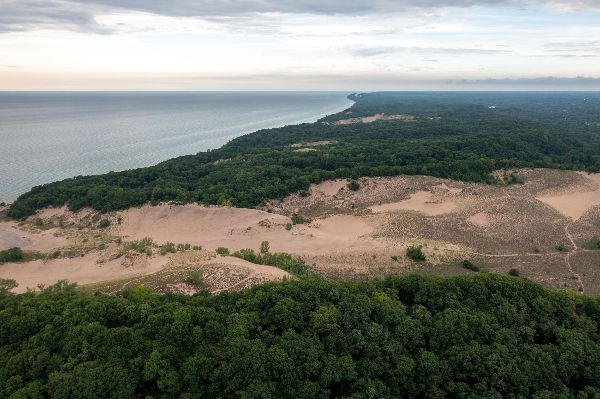
Smart gun owners are already inserting themselves into these conversations—attending webinars, submitting comments on dune-management plans, and insisting that any new restrictions come with clear carve-outs for lawful carry and traditional outdoor uses. That proactive posture turns a potential regulatory threat into an opportunity to lock in access protections before the next round of rules is written. In short, the fight for the Second Amendment in the field now includes showing up when the state talks about mussels and milfoil, because the same people writing those plans will eventually write the fine print on where you can hunt, fish, and train with your firearms.


