

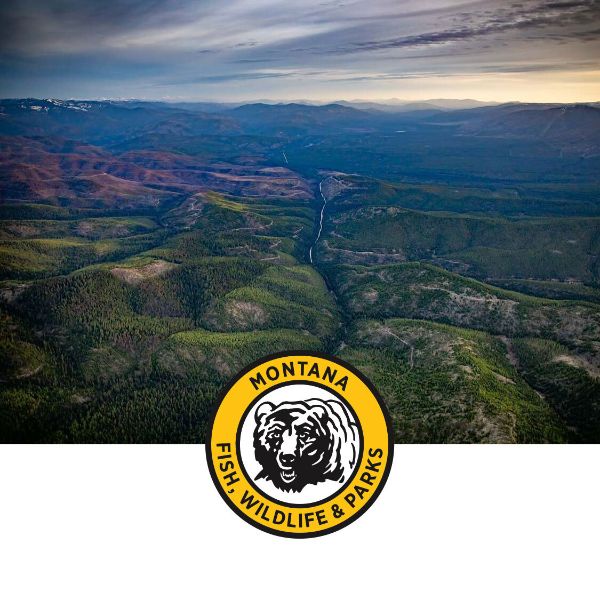
In the rugged Cabinet Mountains of northwest Montana, the permanent protection of 34,610 acres through the Upper Thompson Conservation Easement Phase 1 isn’t just a win for elk, moose, and the timber industry—it’s a direct reinforcement of the public-land backbone that makes hunting and shooting sports possible. By locking in access and blocking subdivision sprawl, the easement keeps vast stretches of habitat open for generations of sportsmen who rely on these exact parcels for everything from rifle seasons to backcountry plinking. The unanimous commission vote signals that even in timber country, stakeholders recognize that sustainable harvest and permanent public use can coexist without turning the landscape into either a clear-cut or a closed preserve.
For the 2A community, this kind of large-scale, working-land conservation is quietly strategic. It prevents the checkerboard of private inholdings that so often leads to “No Trespassing” signs creeping across traditional hunting grounds, and it keeps the pressure off state and federal agencies to sell or restrict parcels under the guise of budget shortfalls. When timber companies and wildlife agencies align on easements like this, they create de-facto buffers around national forests and wilderness areas—buffers that absorb hunters, reduce crowding on public land, and maintain the dispersed shooting opportunities that urban encroachment would otherwise erase. The fact that the deal also preserves the legal right to harvest timber means the economic engine that funds much of Montana’s wildlife management stays intact, rather than shifting to a model that views any human presence as a threat.
Long-term, easements like Upper Thompson Phase 1 quietly strengthen the argument that private-property rights and public access are not mutually exclusive. They demonstrate that landowners can monetize conservation values without surrendering title or inviting regulatory overreach that could later target firearms use. For shooters and hunters watching the steady drumbeat of access restrictions in other Western states, this Montana model offers a replicable template: secure the ground first, keep it working, and the Second Amendment activities that depend on that ground remain viable. In an era when every acre of open space is contested, these permanent protections are as much about preserving places to shoot as they are about protecting wildlife.


