

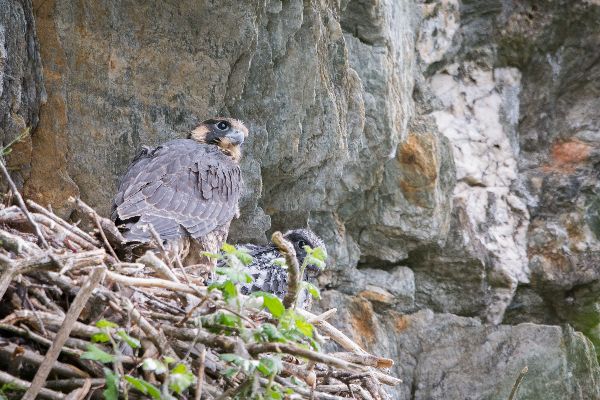
Vermont’s peregrine falcon recovery is a textbook case of how private stewardship and voluntary restraint can outperform top-down edicts. For four months, more than forty-five unpaid volunteers—hunters, climbers, hikers, and falconers among them—logged thousands of hours on cliff faces to ensure nesting success. Their reward wasn’t a government stipend or a press release; it was the simple knowledge that the cliffs would reopen once the young birds fledged. That same ethic of self-imposed, science-based closures is precisely what responsible gun owners practice every year when they yield ground during deer season or suspend range construction to protect nesting raptors. The result is tangible: peregrine numbers in Vermont have gone from zero in the 1970s to a self-sustaining population today, achieved without a single new federal regulation aimed at climbers or shooters.
The deeper lesson for the 2A community is that access is preserved by demonstrating value, not by asserting rights alone. When sportsmen and sportswomen monitor nests, fund non-lead ammunition research, and pack out trash others leave behind, they convert potential adversaries into allies. Land managers remember who showed up with spotting scopes instead of spray paint; legislators notice which constituency delivered data instead of demands. In an era when anti-access voices are quick to paint all recreational shooters as threats to wildlife, these citizen-science efforts become both shield and sword—documenting that the people who own guns are often the same people who keep cliffs, forests, and watersheds healthy enough to host endangered species in the first place.
Finally, the falcon story quietly reframes the tired “guns versus wildlife” narrative. The same Second Amendment culture that prizes self-reliance also prizes the outdoor literacy necessary to notice an empty scrape on a cliff ledge or the first stoop of a fledgling. That literacy travels directly to the voting booth and the comment docket, where 2A advocates increasingly show up armed with trail cameras, harvest data, and population surveys rather than slogans. Vermont’s cliffs are open again because a loose coalition of outdoors people proved they could balance recreation and conservation without a permanent closure. The firearms community would do well to treat every such victory as a proof-of-concept: show you can manage the resource, and the resource—and the access—will manage to stay yours.


