

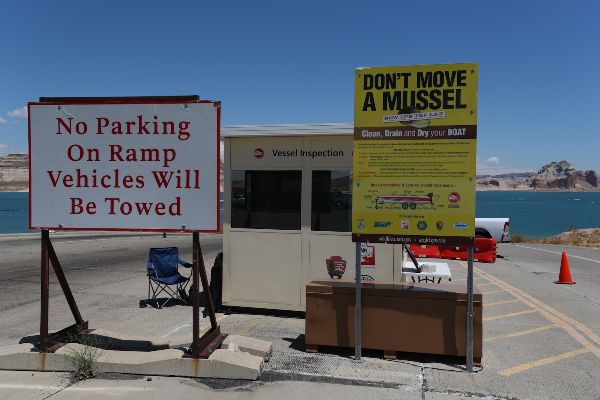
Utah’s Memorial Day push to inspect more than eight thousand boats wasn’t just about keeping invasive mussels and milfoil out of the state’s reservoirs—it was a textbook demonstration of how government agencies can mobilize quickly when they decide a resource is worth protecting. Officers from multiple states and the National Park Service converged on ramps, ran decontamination stations, and handed out citations for paperwork violations, all in the name of preserving recreational waterways. The same level of coordinated effort and public buy-in rarely appears when the issue is preserving the individual right to keep and bear arms, yet the mechanics are identical: clear standards, consistent enforcement, and an informed citizenry that accepts responsibility rather than waiting for permission slips.
For the 2A community the lesson is straightforward. Boaters who completed the mussel-aware course sailed through inspections; those who skipped it faced delays and fines. Firearm owners who treat training, safe storage, and legal compliance as non-negotiable enjoy the same friction-free experience at the range or on the trail. When agencies see a population that polices itself, they have less pretext to expand restrictions. Conversely, every headline about negligent discharges or stolen guns left in vehicles gives regulators the same justification these wildlife officers used—public safety demands more rules. The difference is that boaters largely accept the premise that invasive species destroy fisheries; gun owners must make the parallel case that irresponsible individuals destroy rights for everyone else.
The weekend numbers also highlight resource allocation. Eight thousand inspections and nearly two hundred decontaminations required overtime, equipment, and inter-agency cooperation. Scale that model to background-check delays, permitting backlogs, or red-flag enforcement and the fiscal and manpower implications become obvious. Pro-2A advocates who push for shall-issue reciprocity, constitutional carry, and simplified transfers are effectively arguing for the same efficiency these wildlife managers demonstrated: protect the resource—whether it is a lake or a constitutional right—without turning every law-abiding participant into a suspect. When citizens treat their freedoms with the same vigilance boaters now treat their hulls, the case for further regulation weakens on its own.


