

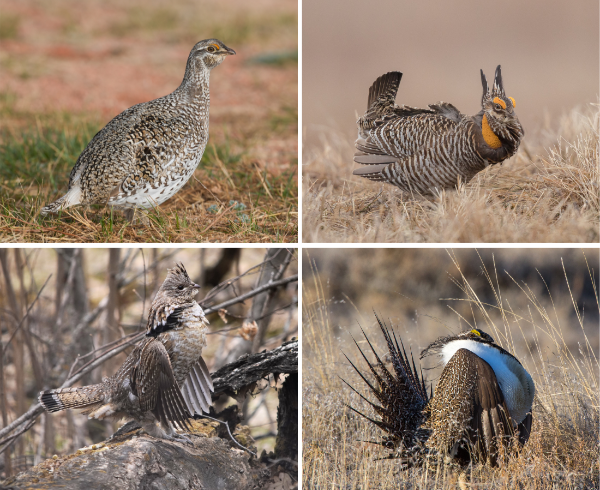
North Dakota’s spring grouse counts landing right where they did last year feels less like coincidence and more like a quiet endorsement of the state’s light-touch wildlife management. A mild winter kept birds alive after a rough 2025 hatch, and the fact that sharp-tailed numbers held steady across most districts shows how quickly upland populations can rebound when harvest pressure stays reasonable and habitat isn’t carved up by over-regulation. The Turtle Mountains posting gains while the Pembina Hills slipped is a reminder that local conditions, not blanket statewide rules, drive real outcomes—something the 2A community has long argued applies to both game management and gun policy.
For sportsmen who carry a sidearm in the field or keep a truck gun for predators, these surveys quietly validate the broader principle that sustainable use and armed self-reliance go hand-in-hand. When Game and Fish can point to stable or improving numbers without needing to restrict methods or seasons, it undercuts the narrative that more restrictions automatically equal healthier wildlife. Hunters who value both their Second Amendment rights and their hunting traditions see the same pattern: places that trust responsible citizens tend to produce both safer communities and more resilient game populations.
Looking ahead, the mixed district results should push wildlife managers to keep leaning on boots-on-the-ground data rather than one-size-fits-all mandates. That approach leaves room for the private landowners and armed outdoorsmen who actually invest in habitat and predator control—the very people whose tools and freedoms are too often the first targets when urban-driven policies drift north. Stable grouse numbers this spring are small proof that letting citizens stay equipped and engaged works better than treating them as the problem.


