

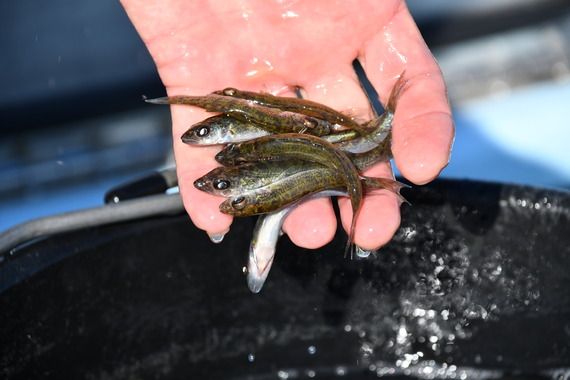
North Dakota’s decision to flood its waters with nearly 12 million walleye fingerlings this season is more than a fisheries-management footnote—it’s a textbook example of how state agencies can deliver tangible, measurable results when they focus on outcomes instead of optics. By raising the bulk of those fish at Garrison Dam National Fish Hatchery and supplementing with another 1.1 million from Valley City, plus 1.1 million northern pike spread across 37 waters, the Game and Fish Department is engineering a future where anglers actually catch fish instead of just hearing about them. That kind of production matters because healthy, self-sustaining fisheries keep license sales—and the excise taxes that flow from them—strong, which in turn funds the very conservation work that keeps public lands and waters open for everyone, including the armed outdoorsman who values both his rifle and his rod.
For the 2A community the connection is straightforward: every walleye that hits the stringer is another data point proving that active management beats top-down restriction. When states invest in hatcheries rather than endless studies or access-limiting regulations, they create the surplus abundance that justifies continued public access instead of the slow squeeze of “protect the resource by closing it.” The same principle applies to game species; robust populations reduce the political pressure to curtail hunting seasons or further restrict methods. In short, North Dakota’s fingerling blitz is a quiet reminder that conservation success is measured in fish in the boat and game on the table, not in the size of the regulatory code.
The ripple effects reach beyond the Missouri River system. License revenue generated by a banner walleye year helps underwrite enforcement, habitat work, and the political capital needed to push back against federal overreach on everything from lead ammunition to public-land access. When anglers see results, they show up at the ballot box and the public-comment docket; when they don’t, apathy sets in and anti-access voices fill the vacuum. By delivering near-record production now, North Dakota is banking goodwill that will pay dividends the next time a coastal-centric regulation threatens to migrate inland.


